1/2 Ball Valve: Small Cast-Body Connection Requirements
Table of Contents
For buyers reviewing 1/2 ball valve, a useful specification connects the service, the approved drawing and the delivered component. This guide examines the purchasing question “Small Cast-Body Connection Requirements”. Use it to organize the supplier discussion before approving material, tooling or production.
Key purchasing decisions for 1/2 ball valve
A 1/2 ball valve size designation does not define every dimension of its cast body. Connection type, thread standard, bore and sealing arrangement still matter. Small components can be particularly sensitive to machining access and the relationship between threaded ends and internal features.
Review the design and interfaces
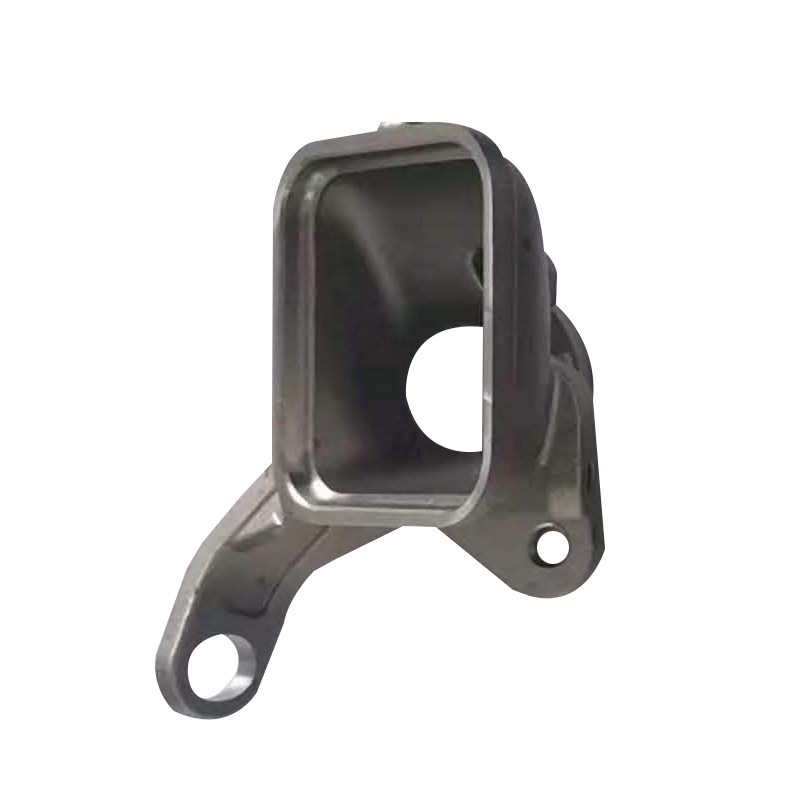
Specify the actual connection standard and approved body drawing. Mark minimum finished sections and machining datums where the design requires them. Review tool access and cleaning of internal passages before releasing the casting route.
Compare the purchasing options
Use this comparison when reviewing 1/2 ball valve against a controlled drawing and purchase specification.
| Purchasing approach | Main implication | What to resolve |
|---|---|---|
| Nominal-size order | Quick to communicate | Does not define the connection |
| Drawing-and-standard order | Supports compatible supply | Verify threads and internal interfaces |
Select the manufacturing route
Plan casting and machining around the approved valve-component design. Internal access, connection geometry and sealing-related features can require different operations. Clarify whether delivery covers a raw casting, a machined body or another component, and keep complete-valve requirements with the responsible assembly manufacturer.
For a project involving 1/2 ball valve, compare the complete delivered condition before choosing a production route.
Inspection requirements for 1/2 ball valve
Inspect threaded or other connection features with the specified gauges. Check seat and stem interfaces from the correct references. Do not approve interchangeability solely because a nominal size matches the order description.
Apply the review to a practical case
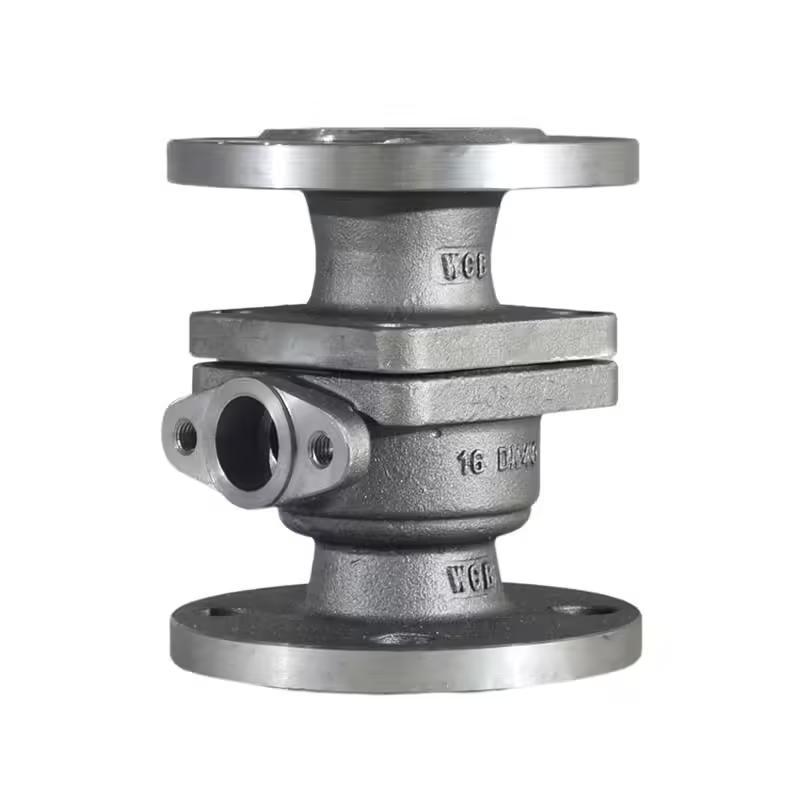
Two small valve bodies may both be sold under the same nominal size but use different connection details. A drawing-based review prevents assembly problems that a catalogue label cannot resolve.
Define a complete quotation scope
Include the controlled component drawing, casting material, connection and mating features, quantities, final machining and examination requirements. Specify the record and marking expectations. Identify who performs complete-valve assembly and tests so component acceptance is not confused with final valve qualification.
When discussing 1/2 ball valve, separate requirements already approved by engineering from options still awaiting review.
For background reading, see SFSA steel casting technical resources. Use the applicable project specification and approved design for contractual requirements.
Discuss the component with Leierwo
Review Leierwo’s Valve Manufacturing and Investment Casting pages, then send the controlled drawing, material and quantity for a component-specific discussion. Ask the quotation to state the manufacturing scope, inspection evidence and any proposed alternatives.
A request concerning 1/2 ball valve should lead to a part-specific quotation, with assumptions and deviations stated in writing.
Frequently asked questions
What is the main buying issue with 1/2 ball valve?
A 1/2 ball valve size designation does not define every dimension of its cast body. Connection type, thread standard, bore and sealing arrangement still matter.
Which design details should be included?
Specify the actual connection standard and approved body drawing. Mark minimum finished sections and machining datums where the design requires them.
What should inspection cover when evaluating 1/2 ball valve?
Inspect threaded or other connection features with the specified gauges. Check seat and stem interfaces from the correct references.
How should the purchasing options be compared?
Compare “Nominal-size order” and “Drawing-and-standard order” against the same finished-part requirements. Key review points are “does not define the connection” and “verify threads and internal interfaces”, respectively.
What should an inquiry about 1/2 ball valve include?
Send the component drawing and revision, exact material, connection details, machining scope, required examinations and assembly responsibility.
Product Categories
- Valve Parts
- Water Pump Parts
- Bearing Box Parts
- Die Casting Parts
- Stainless Steel Pump Products
- Cast Iron Pump Products
- Valve Parts For Automobile Use
- Auto Parts
- Valve Parts For Civil Use
- Vacuum Pump Parts KF

Let’s start your next project!
Start Your Project with Leierwo
1. Submit Your Inquiry
2. Cost Calculation
3. Start Production
4. Arrange Delivery
FAQ
Yes, we have extensive experience in international trade and can assist customers with export customs clearance and shipping arrangements. We offer various trade terms such as FOB, CIF, and DDP to accommodate different logistics needs.We accept various international payment methods, including T/T (Telegraphic Transfer), wire transfer, and Letter of Credit (L/C). Payment terms can be discussed with our sales team.
By partnering with Leierwo, you can enjoy competitive pricing and superior quality compared to other suppliers. Additionally, we offer a one-stop solution to deliver finished parts, including CNC machining and surface treatment, ensuring a seamless production process.
We have advanced casting equipment and strict quality control systems. Our monthly production capacity is substantial, and we can manufacture products based on customer-provided drawings or samples. We accept both small trial orders and large-scale production.
Our products comply with international standards such as ASTM, AISI, DIN, and JIS. We can provide material test reports and relevant certifications to ensure product quality meets customer requirements.
We strictly follow the ISO 9001 quality management system and conduct multiple inspections throughout the production process, including spectrographic analysis, X-ray testing, ultrasonic testing, and dimensional measurements. These quality control measures guarantee that our castings meet the highest standards.
Our MOQ depends on the product type and complexity, However, we are flexible and open to discussing your specific needs.
Our standard production lead time is 4-6 weeks, depending on order quantity and product complexity. We strive to shorten delivery times to meet customer demands.
Yes, we can provide samples for quality inspection. Sample costs and shipping fees can be negotiated, and sample fees may be refunded upon placing a formal order.
 English
 Spanish
 Arabic
 Malay
 German