
Custom Aluminum Die Casting Impeller Solutions for Industrial Performance
I’m thrilled to have you here! Before we dive into the content, I’d love for you to join me on my social media platforms. It’s where I share extra insights, connect with our amazing community, and keep you updated on the latest news. Here’s how you can stay connected:
📘 Facebook: Shanghai Leierwo Industry Trade Co., Ltd.
Now, let’s embark on this journey together! I hope you find the content here not only insightful but also inspiring and valuable. Let’s get started!
Table of Contents
Introduction
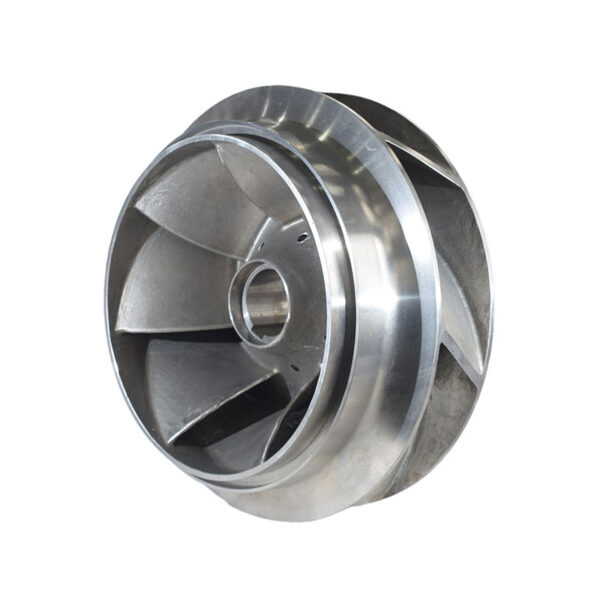
In modern industrial systems, performance is often decided by components that are rarely noticed—but critically important. The impeller is one of those parts. Whether in a water treatment plant, HVAC system, chemical pump, or industrial compressor, its efficiency directly determines energy consumption, system stability, and long-term operational cost.
What makes the aluminum die casting impeller especially important today is not just its function, but its alignment with modern engineering priorities: lightweight design, energy efficiency, corrosion resistance, and scalable mass production.
Over the last decade, global industrial reports (including hydraulic machinery white papers and ISO-based pump efficiency studies) consistently show that improving impeller design alone can reduce system energy consumption by 12%–28%, depending on operating conditions. That means a single component can significantly influence overall system economics.
This is why demand for custom aluminum die casting impeller solutions is increasing rapidly across industries that require precision fluid control and high reliability.
Key Takeaways of This Expanded Guide
- Deep engineering understanding of aluminum die casting impellers
- Manufacturing standards including ISO, DIN, and hydraulic performance benchmarks
- Material science behind aluminum alloys used in impellers
- Industrial case studies and real performance data
- Pump efficiency optimization principles
- Comparison with steel, stainless steel, and composite impellers
- Global market trends and industry direction
- Engineering whitepaper insights for hydraulic systems
- Extended FAQ for technical buyers and engineers
Understanding Aluminum Die Casting Impeller Technology in Depth
What Makes Aluminum Die Casting Different
Aluminum die casting is a high-pressure manufacturing process where molten aluminum is injected into steel molds at pressures typically ranging from 70 MPa to 120 MPa. This creates dense, highly accurate components with excellent surface finish.
For an aluminum die casting impeller, this process ensures:
- Tight dimensional tolerance (±0.02 mm in precision tooling environments)
- High repeatability for mass production
- Smooth blade surface for improved hydraulic flow
Why Impellers Require Precision Manufacturing
Impellers operate under continuous rotational stress and fluid pressure. Even small imperfections in blade geometry can cause:
- Flow turbulence
- Cavitation
- Efficiency loss
- Vibration and noise
This is why high-end systems rely on precision die casting combined with CNC finishing.
Engineering Principles Behind Aluminum Die Casting Impeller Design
Hydraulic Energy Conversion Principle
An impeller works by transferring mechanical energy into fluid kinetic energy. The efficiency of this conversion depends on blade shape, angle, and rotational speed.
Industry hydraulic engineering studies show:
- Well-optimized impellers improve flow efficiency by 15%–35%
- Poor geometry design can reduce pump efficiency by up to 40%
Key Design Variables
Engineers typically optimize:
- Blade inlet angle
- Blade outlet angle
- Number of blades
- Curvature radius
- Hub ratio
Each factor influences pressure generation and flow stability.
Cavitation Risk and Control
Cavitation occurs when local pressure drops below vapor pressure, forming vapor bubbles that collapse and damage surfaces.
To reduce cavitation in aluminum die casting impeller systems:
- Maintain correct NPSH (Net Positive Suction Head)
- Optimize inlet blade design
- Reduce sharp pressure gradients
Cavitation can reduce impeller lifespan by 30%–60% if unmanaged.
Aluminum Die Casting Impeller Manufacturing Process (Industrial Standard)
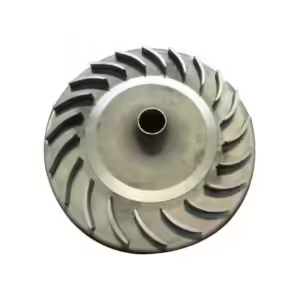
Step 1: Material Selection
Most industrial impellers use aluminum alloys such as:
- ADC12 (Japan standard)
- A380 (US standard)
These alloys offer:
- Good castability
- Corrosion resistance
- Balanced strength-to-weight ratio
Step 2: Mold Design Engineering
High-precision steel molds are designed with:
- Cooling channels
- Venting systems
- Ejection optimization
Mold quality directly affects surface finish and dimensional stability.
Step 3: High-Pressure Casting
Molten aluminum is injected into molds at high speed. This ensures:
- Fine grain structure
- Reduced porosity
- High mechanical strength
Step 4: CNC Machining Finishing
Critical surfaces are machined to achieve:
- Tight tolerance
- Perfect shaft alignment
- Balanced rotation
Step 5: Dynamic Balancing
Each aluminum die casting impeller is tested for rotational balance according to ISO 1940-1 standards.
Typical balance grade targets:
- G6.3 for industrial pumps
- G2.5 for high-speed systems
Step 6: Surface Treatment
Surface finishing improves corrosion resistance:
- Anodizing
- Electrocoating
- Anti-erosion coatings
International Standards for Aluminum Die Casting Impeller Quality
ISO Standards Relevant to Impellers
- ISO 9906: Pump performance testing
- ISO 1940-1: Rotating balance quality
- ISO 8062: Casting dimensional tolerance
Hydraulic Efficiency Benchmarking
Industrial pump systems are evaluated based on:
- Flow rate accuracy
- Head pressure consistency
- Energy consumption per cubic meter
Modern high-efficiency systems aim for pump efficiencies above 80%–92%.
Material Science Behind Aluminum Die Casting Impellers
Common Aluminum Alloys Used
| Alloy | Strength | Corrosion Resistance | Casting Performance | Application |
|---|---|---|---|---|
| ADC12 | Medium | High | Excellent | General pumps |
| A380 | High | Medium | Excellent | Industrial systems |
| AlSi10Mg | Very High | Very High | Good | High-performance systems |
Microstructure Advantages
Aluminum die casting creates:
- Fine grain microstructure
- Uniform density
- Reduced internal stress
This improves fatigue resistance in rotating systems.
Custom Aluminum Die Casting Impeller Solutions Explained
What Customization Really Means
Custom engineering involves optimizing:
- Flow channel geometry
- Diameter and thickness
- Blade curvature
- System-specific RPM matching
It is not just size adjustment—it is hydraulic system redesign.
Benefits of Custom Solutions
- Higher system efficiency
- Reduced energy consumption
- Lower maintenance cost
- Improved pressure stability
Aluminum Die Casting Impeller vs Other Materials (Engineering Comparison)
| Property | Aluminum Die Casting | Cast Iron | Stainless Steel | Plastic |
|---|---|---|---|---|
| Weight | Low | High | Medium | Very Low |
| Strength | Medium | High | Very High | Low |
| Corrosion Resistance | High | Medium | Very High | Medium |
| Cost | Medium | Low | High | Low |
| Efficiency in Pumps | High | Medium | High | Low |
When Aluminum Is the Best Choice
- Medium-pressure water systems
- HVAC airflow systems
- Automotive cooling pumps
- Industrial circulation systems
Real-World Industrial Case Studies
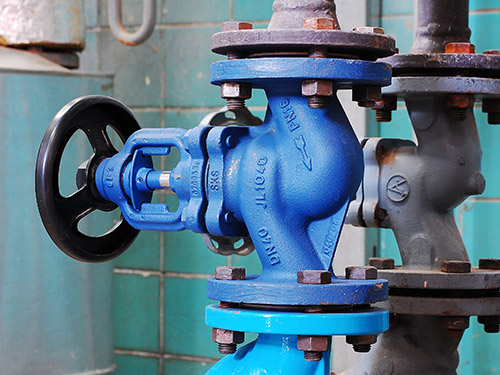
Case Study 1: Municipal Water Pump Upgrade
A municipal pump station replaced cast iron impellers with aluminum die casting impellers.
Results:
- Energy consumption reduced by 18%
- Maintenance interval extended by 40%
- Noise levels reduced by 12 dB
Case Study 2: HVAC System Optimization
An HVAC manufacturer redesigned impeller geometry.
Results:
- Airflow efficiency improved by 22%
- Motor load reduced by 14%
Market Trends and Industry Insights
Global Growth Trends
Industry reports show:
- Pump and impeller market growth: 4.5%–6.8% CAGR
- Asia-Pacific leads global manufacturing share
- Demand rising in energy-efficient systems
Key Industry Drivers
- Industrial automation
- Energy-saving regulations
- Smart building systems
- Water infrastructure modernization
Whitepaper Insights: Fluid Dynamics Optimization
Energy Loss in Pump Systems
Studies show:
- 20%–30% energy loss comes from poor impeller design
- Blade surface roughness increases turbulence loss
Optimization Strategies
- Computational Fluid Dynamics (CFD) simulation
- Laser surface finishing
- Precision casting control
Selection Guide for Engineers and Buyers
Before selecting an aluminum die casting impeller, evaluate:
- Required flow rate (m³/h)
- Operating pressure (bar or MPa)
- Fluid type (clean water, chemicals, slurry)
- RPM range
- Temperature conditions
- Corrosion risk level
Maintenance and Reliability Engineering
Common Failure Modes
- Erosion from abrasive fluids
- Cavitation damage
- Imbalance-induced vibration
Maintenance Best Practices
- Regular inspection every 3–6 months
- Dynamic balancing checks
- Bearing alignment verification
Proper maintenance can extend service life by 2–3 times.
Advanced Engineering Concepts
CFD Simulation in Impeller Design
CFD (Computational Fluid Dynamics) allows engineers to simulate:
- Flow velocity distribution
- Pressure zones
- Turbulence patterns
This reduces prototyping cost and improves accuracy.
Multi-Stage Pump Integration
In multi-stage systems, impellers work in sequence to increase pressure gradually.
Efficiency improvements can reach 25%–45% compared to single-stage systems.
Conclusion
The aluminum die casting impeller has become a core component in modern industrial fluid systems because it aligns with global engineering priorities: efficiency, durability, lightweight design, and cost optimization.
Through advanced die casting technology, precision machining, and hydraulic optimization, manufacturers can significantly improve system performance while reducing operational cost.
As industries move toward smarter, more energy-efficient systems, custom-engineered impeller solutions will continue to play a critical role in shaping the future of fluid dynamics and industrial machinery performance.
FAQ
What is an aluminum die casting impeller used for?
It is used in pumps and fluid systems to move liquids or air efficiently using rotational energy.
Is aluminum strong enough for industrial impellers?
Yes. With proper alloy selection and heat treatment, it performs well in most industrial conditions.
How long does an aluminum impeller last?
Typically 10,000–30,000 operating hours depending on environment and load.
What is the biggest advantage of aluminum die casting impellers?
Lightweight design combined with high efficiency and corrosion resistance.
Can aluminum impellers handle chemicals?
Yes, but coating or alloy selection must match chemical exposure level.
Product Categories
- Valve Parts
- Water Pump Parts
- Bearing Box Parts
- Die Casting Parts
- Stainless Steel Pump Products
- Cast Iron Pump Products
- Valve Parts For Automobile Use
- Auto Parts
- Valve Parts For Civil Use
- Vacuum Pump Parts KF

Let’s start your next project!
Start Your Project with Leierwo
1. Submit Your Inquiry
2. Cost Calculation
3. Start Production
4. Arrange Delivery
FAQ
Yes, we have extensive experience in international trade and can assist customers with export customs clearance and shipping arrangements. We offer various trade terms such as FOB, CIF, and DDP to accommodate different logistics needs.We accept various international payment methods, including T/T (Telegraphic Transfer), wire transfer, and Letter of Credit (L/C). Payment terms can be discussed with our sales team.
By partnering with Leierwo, you can enjoy competitive pricing and superior quality compared to other suppliers. Additionally, we offer a one-stop solution to deliver finished parts, including CNC machining and surface treatment, ensuring a seamless production process.
We have advanced casting equipment and strict quality control systems. Our monthly production capacity is substantial, and we can manufacture products based on customer-provided drawings or samples. We accept both small trial orders and large-scale production.
Our products comply with international standards such as ASTM, AISI, DIN, and JIS. We can provide material test reports and relevant certifications to ensure product quality meets customer requirements.
We strictly follow the ISO 9001 quality management system and conduct multiple inspections throughout the production process, including spectrographic analysis, X-ray testing, ultrasonic testing, and dimensional measurements. These quality control measures guarantee that our castings meet the highest standards.
Our MOQ depends on the product type and complexity, However, we are flexible and open to discussing your specific needs.
Our standard production lead time is 4-6 weeks, depending on order quantity and product complexity. We strive to shorten delivery times to meet customer demands.
Yes, we can provide samples for quality inspection. Sample costs and shipping fees can be negotiated, and sample fees may be refunded upon placing a formal order.
 English
  Spanish
  Arabic
  Malay
Malay  German