
Custom Manufacturing Services for Complex Products: A Complete Guide
Welcome to My Blog!
I’m thrilled to have you here! Before we dive into the content, I’d love for you to join me on my social media platforms. It’s where I share extra insights, connect with our amazing community, and keep you updated on the latest news. Here’s how you can stay connected:
📘 Facebook: Shanghai Leierwo Industry Trade Co., Ltd.
Now, let’s embark on this journey together! I hope you find the content here not only insightful but also inspiring and valuable. Let’s get started!
Table of Contents
Introduction
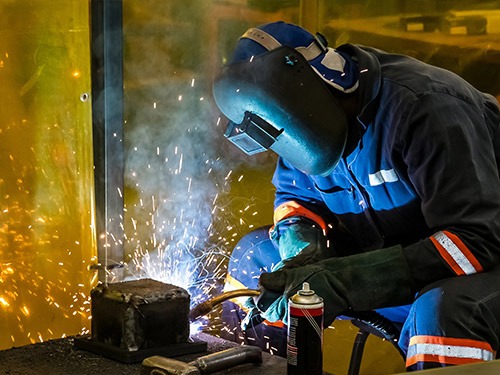
In today’s fast-paced industrial world, companies need precision, flexibility, and reliability more than ever. Complex products—from aerospace turbine components to medical implants and industrial pumps—demand manufacturing processes that can handle intricate designs while maintaining tight tolerances.
Custom manufacturing services fill this need by offering tailored solutions, enabling businesses to bring highly engineered products to market efficiently. According to MarketsandMarkets (2025), the global custom manufacturing market is expected to reach $80 billion by 2030, driven largely by the aerospace, medical, and automotive sectors.
Understanding Custom Manufacturing Services
What Are Custom Manufacturing Services?
Custom manufacturing services provide tailored production solutions for products that cannot be efficiently mass-produced. Unlike standard manufacturing, which focuses on high-volume, uniform production, custom manufacturing emphasizes precision, flexibility, and adaptability to unique designs. These services are particularly valuable for industries where every component must meet strict performance criteria.
When Are Custom Manufacturing Services Most Useful?
Custom manufacturing services shine in situations where:
- Thin walls or internal cavities are part of the design, requiring advanced casting or machining techniques to maintain integrity.
- Materials with special performance properties are necessary, such as titanium for aerospace or cobalt-chrome for medical implants.
- Rapid prototyping is critical, enabling engineers to test functionality and fit before committing to full-scale production.
This approach reduces the risk of design flaws reaching mass production, saving both time and cost.
How Custom Manufacturing Services Add Value
Precision and Complexity Handling
Custom manufacturing excels at producing parts with tight tolerances and intricate geometries that standard manufacturing cannot achieve. For example, Leierwo’s investment casting for turbine blades achieves surface roughness levels of Ra 1–3 μm, allowing components to meet stringent aerodynamic and mechanical performance requirements.
In medical applications, precise geometries can improve implant fit and patient outcomes, while in automotive and aerospace, reducing weight and enhancing strength are key benefits.
Material Versatility
High-performance alloys, including titanium, cobalt-chrome, and specialty stainless steels, can be processed to meet demanding mechanical, thermal, and chemical requirements. The ability to work with such materials allows companies to select the ideal alloy for the application, balancing strength, weight, and corrosion resistance.
Example: Leierwo produces stainless steel pump housings resistant to high pressure and corrosive liquids, ensuring longevity in industrial applications.
Waste Reduction and Efficiency
Producing parts near-net-shape means minimal material removal is required during finishing processes. This approach not only reduces machining costs but also minimizes material waste, which is especially important when working with expensive alloys like titanium.
Environmental benefits are significant: using near-net-shape methods reduces energy consumption and scrap metal, contributing to a more sustainable manufacturing process.
Key Custom Manufacturing Processes
Investment Casting for Complex Designs
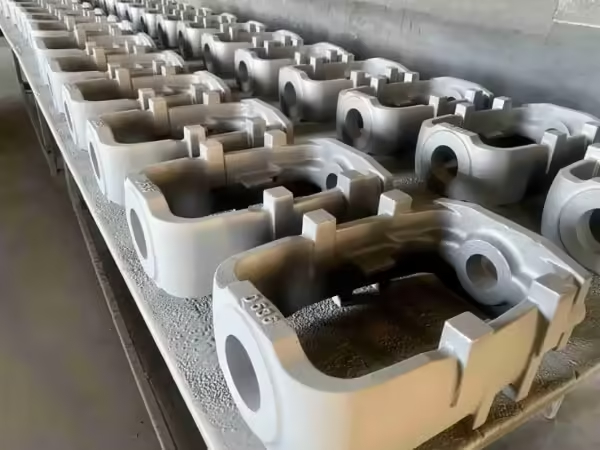
Investment casting, also known as lost-wax casting, is ideal for parts with complex geometries and thin walls. This process allows for highly detailed, near-net-shape components with smooth finishes and consistent tolerances.
- Applications: Aerospace turbine blades, medical implants, automotive turbochargers, precision valves
- Advantages: Enables intricate cavities, thin walls, and exceptional surface quality
- Case Study: A European aerospace supplier implemented titanium investment casting for turbine blades, reducing component weight by 30% and improving engine efficiency by 15%.
The process involves creating a wax pattern, coating it with a ceramic shell, removing the wax, and pouring molten metal into the mold. The result is a high-precision, ready-to-finish component suitable for critical applications.
Sand Casting for Large Components
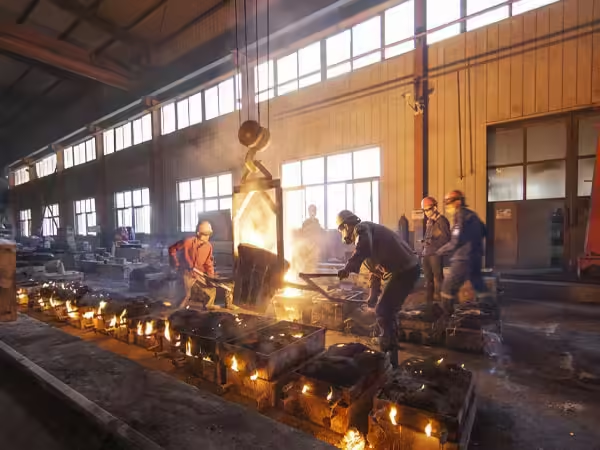
Sand casting provides a cost-effective solution for producing large or heavy components where extreme precision is not always necessary but durability is essential.
- Applications: Pump housings, valve bodies, industrial machinery
- Advantages: Flexible material options, accommodates large batch sizes, scalable for industrial production
- Limitations: Secondary machining is often required for critical tolerances
Example: Leierwo produced 500 kg pump housings via sand casting, achieving high structural integrity and excellent corrosion resistance, ensuring long-term reliability in industrial pump systems.
Why Sand Casting Still Matters
Despite newer technologies, sand casting remains relevant because it offers scalability for large industrial components at a lower cost per unit, making it ideal for heavy-duty applications like water treatment pumps, turbine casings, and valve bodies.tance.
CNC Machining and Additive Manufacturing
CNC Machining
Offers high precision and repeatability, ideal for aerospace brackets, medical tools, and automotive molds.
3D Printing
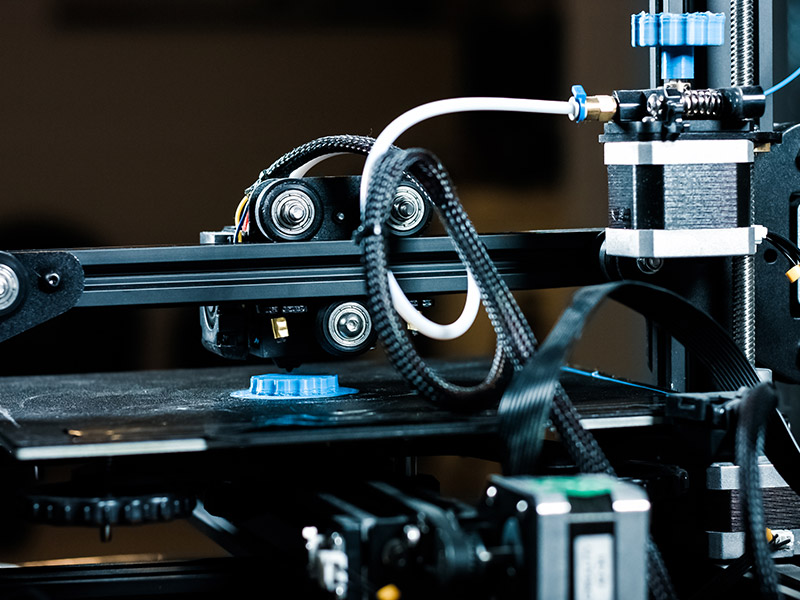
Allows for rapid prototyping and design flexibility, enabling iterative testing before final production. Materials include metal powders (stainless steel, titanium) and polymers for functional prototypes.
Industry Insight: Companies integrating 3D printing into their casting workflows reduce prototyping cycles by 50–70%, accelerating time-to-market.
Selecting Materials for Custom Manufacturing
Proper material selection is critical to ensure durability, performance, and regulatory compliance.
| Material Type | Applications | Key Benefits | Example Use Case |
|---|---|---|---|
| Stainless Steel | Pumps, valves, medical tools | Corrosion resistance, strength | Marine pump castings |
| Titanium | Aerospace, implants | High strength-to-weight ratio | Turbine blades |
| Carbon Steel | Industrial machinery | Cost-effective, strong | Pump housings |
| Cobalt-Chrome | Medical prosthetics | Wear-resistant, biocompatible | Hip implants |
| Aluminum | Automotive | Lightweight, good thermal conductivity | Engine parts |
Ensuring Quality and Managing Risk
Understanding Risks in Custom Manufacturing
Custom manufacturing services offer tremendous flexibility, but they also come with unique risks that need careful management. Recognizing these risks allows companies to mitigate production delays, quality issues, and cost overruns.
Contract Manufacturing Risks
When working with a contract manufacturer (CM), some common challenges include:
- Variability in Quality: Without robust QA systems, parts may not consistently meet specifications, leading to rework or rejection.
- Dependence on Third-Party Schedules: Production timelines are influenced by the CM’s capacity and priorities, which can affect delivery.
- Limited Engineering Support: CMs may provide less design and engineering guidance compared to OEMs, potentially affecting part optimization.
OEM Partnership Risks
OEM partnerships can reduce production workload but introduce different challenges:
- Intellectual Property Sharing: Sharing designs and proprietary technology increases the risk of IP exposure.
- Longer Development Cycles: OEMs often handle both design and manufacturing, which may extend time-to-market.
- Single-Source Dependency: Relying on one OEM may create vulnerability if the partner faces disruptions.
Managing these risks is essential to ensure reliable, high-quality production and to maintain competitive advantage.
Best Practices for Quality Assurance
Factory Audits
Regular audits are vital to evaluate a manufacturer’s equipment, processes, and workforce capabilities. Leierwo conducts systematic factory audits, ensuring that every production line meets ISO/IATF-certified standards.
Sample Testing
Pre-production samples allow engineers to verify dimensional accuracy, surface finish, and functional performance before full-scale production. For example, Leierwo provides one free sample per project to test complex investment-cast or CNC-machined components.
Digital Monitoring
Modern manufacturing integrates real-time monitoring tools, including sensors, dashboards, and software reporting. Deviations in temperature, humidity, or production speed can be identified immediately, preventing defective parts.
Data Insight: Companies implementing robust QA processes report 30–40% fewer defects and rework, resulting in higher throughput and reduced operational costs.
Cost Analysis and Scalability
Custom manufacturing costs vary widely depending on material selection, process complexity, batch size, and post-processing requirements. Understanding these factors helps businesses select the most efficient approach for their needs.
Cost Comparison Across Manufacturing Methods
| Process | Unit Cost | Key Considerations | Best Use |
|---|---|---|---|
| Investment Casting | High per unit | Near-net-shape, less machining, low waste | Aerospace, medical implants |
| CNC Machining | Medium | Tooling upfront, high precision for small/medium batches | Automotive, precision brackets |
| Sand Casting | Low | Cost-effective for large components, may need finishing | Pumps, valve bodies, heavy machinery |
Example: A pump manufacturer produced 1,000 impellers via custom manufacturing at $80/unit. Scaling to 5,000 units reduced costs to $55/unit while maintaining precision and material integrity, demonstrating the benefits of batch optimization.
Real-World Applications
Aerospace
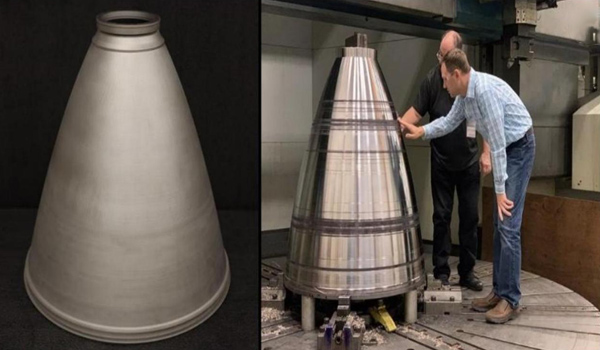
Investment casting for turbine blades; zero defects over 2 years
Industrial Pumps
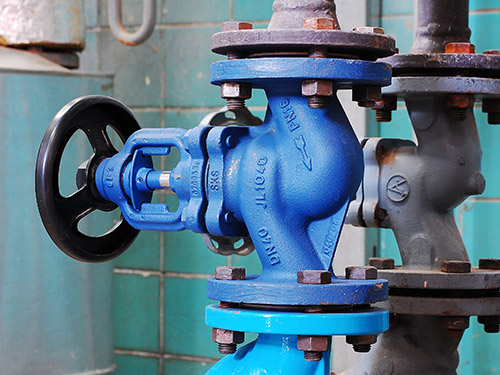
Sand-cast pump housings; tolerances ±0.1 mm
Medical Devices
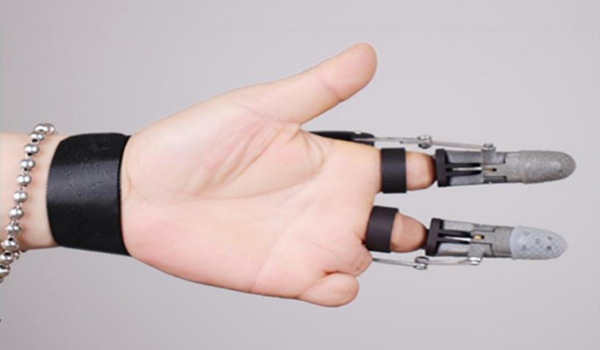
Surgical implants using cobalt-chrome; surface roughness <1.5 μm
Automotive
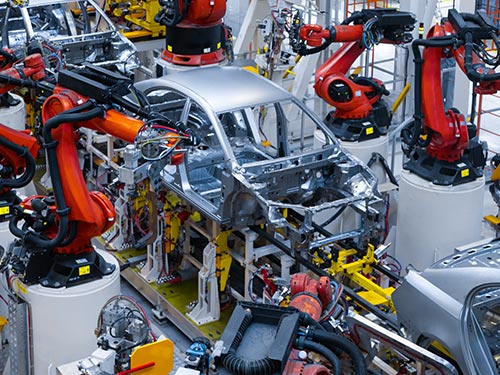
Turbocharger housings via CNC/3D printing; 12% weight reduction
Industry Trends and Innovations
- Automation: Robotic coating, CNC monitoring, and automated QA
- 3D-Printed Patterns: Rapid prototyping and design flexibility
- Process Monitoring: Infrared sensors and thermocouples reduce defects
- Sustainability: Wax and ceramic recycling can cut environmental footprint by 35%
Expert Insight: Automated and hybrid additive manufacturing methods are projected to grow 10% annually, driven by high-demand industries like aerospace and medical devices.
FAQ
Q1: How do I choose between investment casting and CNC machining?
A1: Investment casting suits complex geometries and thin walls; CNC machining is ideal for high precision and iterative design changes.
Q2: What materials are available?
A2: Stainless steel, titanium, cobalt-chrome, carbon steel, aluminum, and specialty alloys.
Q3: Can I get a sample before mass production?
A3: Yes, Leierwo offers one free sample for testing.
Q4: How long does production take?
A4: Typically 3–5 weeks for prototypes; larger or complex batches may require more time.
Q5: Is custom manufacturing cost-effective?
A5: Yes, despite higher per-unit costs, reduced post-processing and waste improve ROI.
Why Choose Shanghai Leierwo Industry & Trade Co., Ltd.
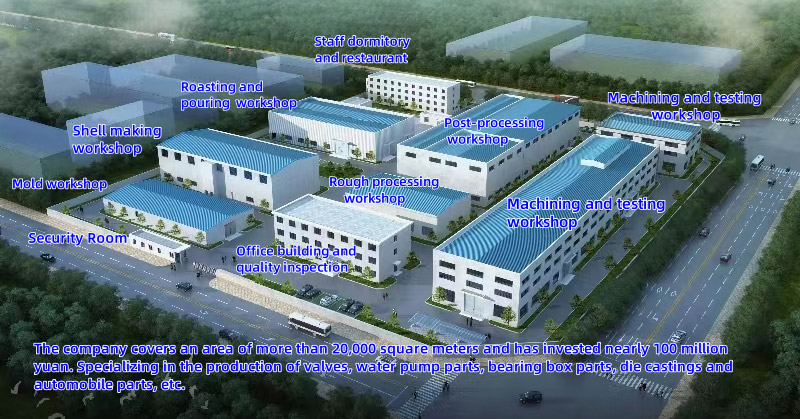
With 20+ years of experience, ISO/IATF certifications, and global expertise, Leierwo provides end-to-end custom manufacturing services: investment casting, sand casting, CNC machining, and 3D printing. Our flexible production and advanced R&D support ensure your complex products meet the highest quality standards.
Getting Started:
Submit your CAD drawings or 3D files, specify material, batch size, and finish. Receive a cost evaluation, approve production, and track your order until global delivery.
If your project demands high-precision, complex components, contact Leierwo today for a free quote and expert consultation.
Product Categories
- Valve Parts
- Water Pump Parts
- Bearing Box Parts
- Die Casting Parts
- Stainless Steel Pump Products
- Cast Iron Pump Products
- Valve Parts For Automobile Use
- Auto Parts
- Valve Parts For Civil Use
- Vacuum Pump Parts KF

Let’s start your next project!
Start Your Project with Leierwo
1. Submit Your Inquiry
2. Cost Calculation
3. Start Production
4. Arrange Delivery
FAQ
Yes, we have extensive experience in international trade and can assist customers with export customs clearance and shipping arrangements. We offer various trade terms such as FOB, CIF, and DDP to accommodate different logistics needs.We accept various international payment methods, including T/T (Telegraphic Transfer), wire transfer, and Letter of Credit (L/C). Payment terms can be discussed with our sales team.
By partnering with Leierwo, you can enjoy competitive pricing and superior quality compared to other suppliers. Additionally, we offer a one-stop solution to deliver finished parts, including CNC machining and surface treatment, ensuring a seamless production process.
We have advanced casting equipment and strict quality control systems. Our monthly production capacity is substantial, and we can manufacture products based on customer-provided drawings or samples. We accept both small trial orders and large-scale production.
Our products comply with international standards such as ASTM, AISI, DIN, and JIS. We can provide material test reports and relevant certifications to ensure product quality meets customer requirements.
We strictly follow the ISO 9001 quality management system and conduct multiple inspections throughout the production process, including spectrographic analysis, X-ray testing, ultrasonic testing, and dimensional measurements. These quality control measures guarantee that our castings meet the highest standards.
Our MOQ depends on the product type and complexity, However, we are flexible and open to discussing your specific needs.
Our standard production lead time is 4-6 weeks, depending on order quantity and product complexity. We strive to shorten delivery times to meet customer demands.
Yes, we can provide samples for quality inspection. Sample costs and shipping fees can be negotiated, and sample fees may be refunded upon placing a formal order.
 English
  Spanish
  Arabic
  Malay
Malay  German