
5 Incredible Benefits of Ductile Cast Iron
Welcome to My Blog!
I’m thrilled to have you here! Before we dive into the content, I’d love for you to join me on my social media platforms. It’s where I share extra insights, connect with our amazing community, and keep you updated on the latest news. Here’s how you can stay connected:
📘 Facebook: Shanghai Leierwo Industry Trade Co., Ltd.
Now, let’s embark on this journey together! I hope you find the content here not only insightful but also inspiring and valuable. Let’s get started!
Table of Contents
Introduction
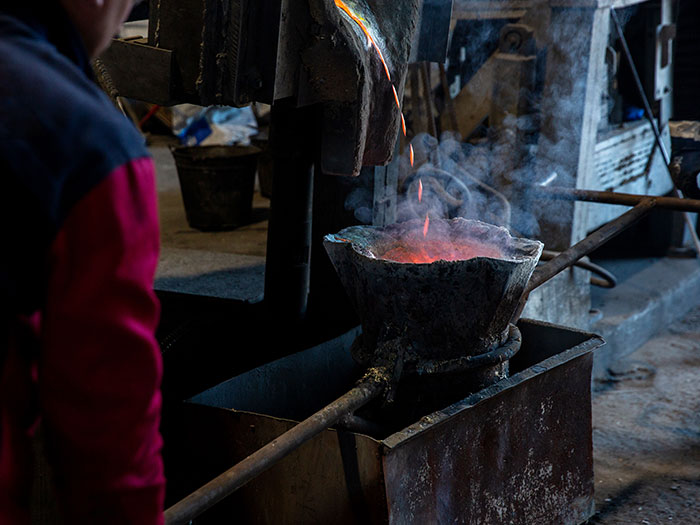
Ductile cast iron, also known as nodular cast iron or spheroidal graphite iron, has revolutionized modern manufacturing and engineering. With its unique combination of strength, ductility, and wear resistance, ductile cast iron is widely used across industries ranging from automotive and construction to machinery and pipelines. Unlike traditional gray cast iron, ductile cast iron can withstand higher tensile stress without fracturing, making it ideal for components subjected to dynamic loads.
In 2026, engineers and designers are increasingly relying on ductile cast iron to improve efficiency, reduce maintenance, and extend the service life of critical components. This blog explores the top five incredible benefits of ductile cast iron, providing insights for industrial applications, design considerations, and maintenance practices.
Exceptional Strength and Durability
One of the most significant benefits of ductile cast iron is its exceptional strength, which makes it a preferred material for components subjected to heavy loads and cyclic stresses. The unique spheroidal graphite structure embedded within the iron matrix allows for uniform stress distribution, dramatically reducing the likelihood of cracks and fractures. Compared to traditional gray cast iron, which has a flake graphite structure prone to stress concentration, ductile cast iron exhibits a tensile strength ranging from 400 to 600 MPa, depending on the alloying composition. Its elongation typically ranges from 10% to 18%, providing a balance of flexibility and robustness that gray cast iron cannot match.
This high tensile strength, combined with ductility, ensures that ductile cast iron components can withstand severe mechanical stresses over extended periods without failure. Applications such as engine components, crankshafts, heavy-duty machinery frames, and structural supports all benefit from the material’s capacity to endure dynamic and repetitive loading. In fatigue testing, ductile cast iron demonstrates endurance limits up to 250 MPa, which is approximately twice that of conventional gray cast iron. This remarkable performance has cemented its place in industries where reliability and safety are paramount.
Resistance to Impact and Shock
Ductile cast iron’s impact resistance is another critical advantage. The material can absorb sudden shocks or dynamic forces without catastrophic failure, a property crucial for automotive, aerospace, and industrial machinery components. For instance, automotive suspension systems utilize ductile cast iron to absorb energy from road impacts while maintaining structural integrity, minimizing vibrations transmitted to the vehicle body, and improving ride comfort.
The American Foundry Society reports that ductile cast iron can exhibit impact strengths up to five times greater than gray cast iron, making it suitable for safety-critical applications such as brake components, steering knuckles, and gear housings. In practical terms, components made of ductile cast iron can tolerate accidental overloading without permanent deformation, reducing the likelihood of unexpected failures during service.
Enhanced Fatigue Resistance
Fatigue resistance is another area where ductile cast iron excels. Components subjected to cyclic loading, such as rotating shafts, gears, and engine blocks, experience repeated stress variations that can cause microcracks over time. Ductile cast iron’s uniform stress distribution and graphite nodularity prevent crack propagation and improve fatigue life. Studies indicate that properly heat-treated ductile cast iron can sustain over 10 million load cycles at stress levels of 200 MPa without failure, outperforming many carbon steels and aluminum alloys in similar applications.
Excellent Wear and Corrosion Resistance
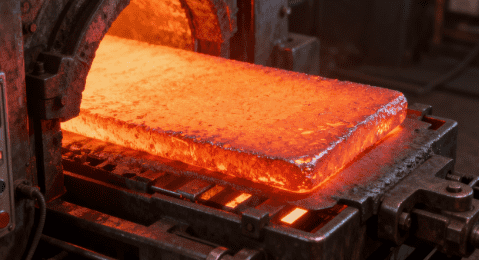
Wear resistance is a major factor for materials used in heavy machinery, pipelines, and industrial equipment. Ductile cast iron offers exceptional wear resistance, which can be enhanced through alloying and surface treatments. Nickel, chromium, and molybdenum additions can improve hardness and surface durability, while processes such as induction hardening, nitriding, or flame hardening provide additional protection against abrasive wear.
Corrosion resistance is equally important, especially in chemical processing, water treatment, and marine environments. While basic ductile cast iron is prone to rust like other ferrous materials, coatings such as epoxy, polyurethane, or galvanization can extend service life dramatically. Some ductile cast iron grades, like Ni-Resist and SiMo alloys, are specifically engineered for corrosive environments and maintain structural integrity in acidic or alkaline solutions.
Industrial Applications of Wear Resistance
- Water and sewage pipelines: Ductile cast iron pipes can handle high pressure and resist abrasion from sediment-laden fluids.
- Gears and rotating shafts: The material reduces wear and extends maintenance intervals in industrial gearboxes.
- Hydraulic components: Hydraulic valve bodies and cylinders benefit from its ability to withstand frictional wear.
- Mining and construction equipment: Buckets, arms, and frames operate under extreme stress without rapid deterioration.
Selecting the appropriate grade of ductile cast iron for a given application significantly reduces downtime and operational costs. Industry surveys show that maintenance costs can be reduced by 20–30% when ductile cast iron is used instead of gray cast iron or low-alloy steel components in high-load environments.
Cost-Effectiveness and Manufacturing Flexibility
Ductile cast iron is not only strong and durable but also highly cost-effective. Compared to steel alloys or titanium, ductile cast iron allows manufacturers to produce complex shapes and large components in a single casting, minimizing assembly steps and reducing labor costs.
The material’s machinability is excellent for a cast metal, allowing tight tolerances and precise finishing without excessive tooling wear. This is particularly valuable for automotive and industrial applications, where complex geometries and precision are critical.
Thermal conductivity of ductile cast iron, typically around 46 W/m·K, enables heat dissipation in components like engine blocks and brake rotors, which improves performance and reduces thermal fatigue. Additionally, ductile cast iron can undergo heat treatment, surface hardening, or coatings, enhancing wear resistance and allowing customization to application-specific requirements.
Table: Comparison of Ductile Cast Iron and Alternative Materials
| Property | Ductile Cast Iron | Gray Cast Iron | Steel Alloy | Aluminum Alloy |
|---|---|---|---|---|
| Tensile Strength (MPa) | 400–600 | 150–250 | 500–800 | 200–300 |
| Elongation (%) | 10–18 | 0.5–2 | 12–20 | 8–12 |
| Impact Resistance (kJ/m²) | 60–120 | 10–30 | 80–150 | 20–40 |
| Wear Resistance | High | Medium | High | Low |
| Machinability | Good | Excellent | Moderate | Excellent |
| Corrosion Resistance | Medium–High | Low | High | Medium |
| Cost | Moderate | Low | High | Moderate |
This table illustrates why ductile cast iron remains a competitive option in diverse industrial applications. Its combination of mechanical properties and cost-effectiveness makes it a preferred material choice for engineers worldwide.
Versatility Across Applications
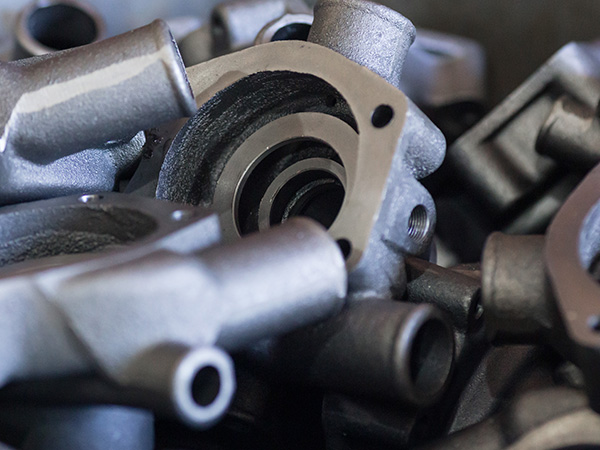
Ductile cast iron is not limited to heavy machinery or pipelines. Its versatility extends to automotive, aerospace, infrastructure, and consumer products. From brake rotors and crankcases to pump housings and valve bodies, ductile cast iron can meet the unique requirements of various industries.
Engineers appreciate its ability to balance strength, toughness, and machinability. For example, in automotive applications, ductile cast iron components can be both lightweight and highly durable, contributing to fuel efficiency without compromising safety.
Advantages in Automotive Industry
- Engine blocks and cylinder heads
- Gear housings
- Suspension components
- Brake systems
Ductile cast iron’s reliability and long service life have helped reduce warranty claims and improve overall performance in high-demand automotive environments.
Sustainability and Recyclability
Sustainability has become a critical factor in material selection. Ductile cast iron is highly recyclable, with scrap iron being reused in new castings without losing performance. Its long lifespan also contributes to sustainability by reducing the need for frequent replacements, which lowers resource consumption and manufacturing emissions.
Environmental Impact
- Lower carbon footprint compared to steel alloys requiring extensive processing
- Reduced energy consumption due to long-lasting components
- High recyclability of scrap material without quality loss
The sustainability benefits of ductile cast iron align with modern manufacturing goals of minimizing environmental impact while maintaining high-performance standards.
Expert Insights
Dr. Emily Chen, a metallurgical engineer with over 20 years of experience, emphasizes:
“Ductile cast iron is often underestimated in modern design. Its combination of strength, ductility, and wear resistance allows engineers to design components that are both cost-effective and long-lasting. In many cases, it outperforms more expensive materials without compromising performance.”
Additionally, industry reports indicate that components made from ductile cast iron reduce maintenance costs by up to 30% compared to alternative materials under similar operating conditions.
Conclusion
Ductile cast iron has proven itself as a versatile, strong, and cost-effective material that can meet the demands of modern engineering. From its mechanical strength and wear resistance to its recyclability and manufacturing flexibility, ductile cast iron continues to play a crucial role in industrial applications.
For engineers and designers, understanding the advantages of ductile cast iron allows for optimized component design, extended service life, and reduced total lifecycle costs. Its exceptional properties make it a material of choice for those seeking performance, durability, and value.
FAQ
Q1: What is the primary difference between ductile cast iron and gray cast iron?
A1: Ductile cast iron contains spheroidal graphite, giving it higher tensile strength and ductility compared to the flake graphite in gray cast iron.
Q2: Can ductile cast iron be used in high-temperature applications?
A2: Yes, certain grades of ductile cast iron are designed to maintain mechanical properties at elevated temperatures up to 500°C.
Q3: How does ductile cast iron improve component lifespan?
A3: Its high fatigue resistance, wear resistance, and toughness allow components to withstand dynamic and repetitive loads without premature failure.
Q4: Is ductile cast iron environmentally friendly?
A4: Yes, ductile cast iron is highly recyclable, and its long-lasting nature reduces the frequency of replacement, contributing to sustainability.
Q5: What industries most commonly use ductile cast iron?
A5: Automotive, construction, machinery, pipelines, and water treatment industries widely use ductile cast iron for its strength, durability, and versatility.
Product Categories
- Valve Parts
- Water Pump Parts
- Bearing Box Parts
- Die Casting Parts
- Stainless Steel Pump Products
- Cast Iron Pump Products
- Valve Parts For Automobile Use
- Auto Parts
- Valve Parts For Civil Use
- Vacuum Pump Parts KF

Let’s start your next project!
Start Your Project with Leierwo
1. Submit Your Inquiry
2. Cost Calculation
3. Start Production
4. Arrange Delivery
FAQ
Yes, we have extensive experience in international trade and can assist customers with export customs clearance and shipping arrangements. We offer various trade terms such as FOB, CIF, and DDP to accommodate different logistics needs.We accept various international payment methods, including T/T (Telegraphic Transfer), wire transfer, and Letter of Credit (L/C). Payment terms can be discussed with our sales team.
By partnering with Leierwo, you can enjoy competitive pricing and superior quality compared to other suppliers. Additionally, we offer a one-stop solution to deliver finished parts, including CNC machining and surface treatment, ensuring a seamless production process.
We have advanced casting equipment and strict quality control systems. Our monthly production capacity is substantial, and we can manufacture products based on customer-provided drawings or samples. We accept both small trial orders and large-scale production.
Our products comply with international standards such as ASTM, AISI, DIN, and JIS. We can provide material test reports and relevant certifications to ensure product quality meets customer requirements.
We strictly follow the ISO 9001 quality management system and conduct multiple inspections throughout the production process, including spectrographic analysis, X-ray testing, ultrasonic testing, and dimensional measurements. These quality control measures guarantee that our castings meet the highest standards.
Our MOQ depends on the product type and complexity, However, we are flexible and open to discussing your specific needs.
Our standard production lead time is 4-6 weeks, depending on order quantity and product complexity. We strive to shorten delivery times to meet customer demands.
Yes, we can provide samples for quality inspection. Sample costs and shipping fees can be negotiated, and sample fees may be refunded upon placing a formal order.
 English
  Spanish
  Arabic
  Malay
Malay  German