
How Valve Manufacturing Works: Valve Component Casting Explained
Welcome to My Blog!
I’m thrilled to have you here! Before we dive into the content, I’d love for you to join me on my social media platforms. It’s where I share extra insights, connect with our amazing community, and keep you updated on the latest news. Here’s how you can stay connected:
📘 Facebook: Shanghai Leierwo Industry Trade Co., Ltd.
Now, let’s embark on this journey together! I hope you find the content here not only insightful but also inspiring and valuable. Let’s get started!
Key Takeaways (Quick List)
- Valve manufacturing begins with material selection and casting method decisions.
- Precision casting is the most critical step for high-performance valve components.
- Stainless steel is the dominant material due to corrosion resistance and durability.
- Investment casting offers high accuracy, while sand casting is cost-effective for large parts.
- CNC machining ensures tight tolerances for sealing surfaces and flanges.
- Quality control (defect detection, pressure testing) is essential to guarantee reliability.
- Custom production based on customer drawings ensures compatibility with specific operating conditions.
- Modern valve manufacturing integrates digital tools like 3D scanning, simulation, and Industry 4.0 monitoring.
Table of Contents
Introduction
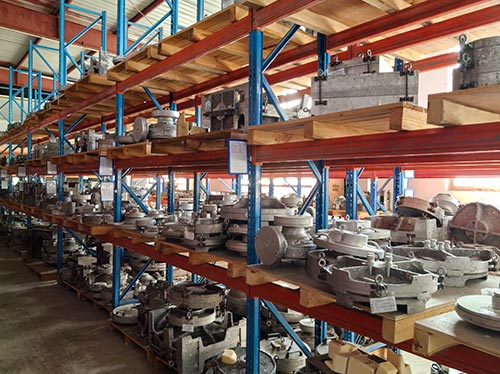
Every industrial system relies on valves to control the flow of liquids and gases. In oil and gas pipelines, power plants, chemical plants, and municipal water systems, valves are the silent heroes that maintain safety and operational stability. When a valve fails, it can lead to catastrophic leakage, equipment damage, and even environmental disasters.
Valve manufacturing is therefore not simply “making a part”—it is creating a high-precision safety device. At the core of this manufacturing process is the casting of valve components. This is where the valve’s structural integrity, pressure resistance, and sealing performance are determined.
Valve manufacturing is often underestimated, yet it is a high-precision engineering discipline that requires advanced materials, precise casting, meticulous machining, and rigorous testing. This article dives into the heart of valve manufacturing, with a special focus on valve component casting.
The Core Concept: Valve Manufacturing vs Valve Component Casting
Valve manufacturing covers the entire lifecycle of a valve—from design and casting to machining, assembly, testing, and delivery. Valve component casting, however, is the foundation. Without high-quality castings, the valve will fail to meet performance requirements.
Valve Manufacturing: The Big Picture
Valve manufacturing includes:
- Engineering design
- Material selection
- Casting method selection
- Machining
- Assembly
- Testing and certification
- Delivery and after-sales support
Each step is interdependent. A flaw in casting cannot be corrected by machining alone. Therefore, casting is the most critical stage.
Valve Component Casting: The Critical Foundation
Valve component casting is responsible for:
- Creating the valve body
- Producing valve covers
- Manufacturing internal parts such as seats and discs
- Ensuring structural strength and sealing integrity
The casting quality directly affects:
- Pressure resistance
- Sealing performance
- Durability
- Corrosion resistance
- Safety
Material Selection in Valve Manufacturing
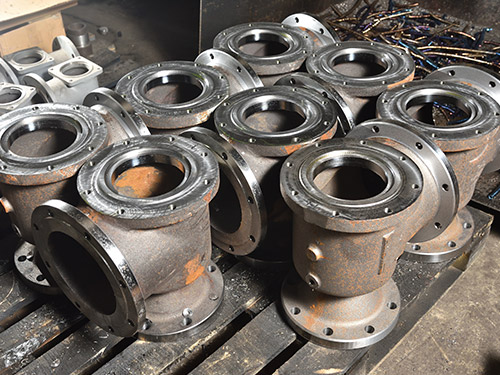
Why Material Choice Matters
Material selection determines whether a valve can withstand high pressure, high temperature, corrosion, and mechanical wear. In many industrial applications, the operating environment is extreme:
- Temperatures can exceed 500°C in steam systems
- Pressure can exceed 1000 bar in oil and gas pipelines
- Corrosive media like hydrochloric acid, sulfuric acid, and seawater are common
- Cavitation and erosion can rapidly degrade valve components
Valve manufacturing requires materials that can withstand these conditions while maintaining dimensional stability and mechanical strength.
Common Materials Used in Valve Manufacturing
Valve components are typically made from:
Stainless Steel Series
- 304 / 304L: General corrosion resistance, cost-effective
- 316 / 316L: Excellent chloride corrosion resistance, ideal for marine and chemical industries
- 410: Martensitic stainless steel, good for high-temperature steam valves
- 17-4PH: High strength and corrosion resistance, used for high-performance valves
Carbon Steel Series
- WCB: Widely used for general valves at room temperature
- 4130: High strength for high-pressure valve bodies
Specialty Alloy Series
- 2205 Duplex Stainless Steel: Excellent stress corrosion resistance
- Cobalt Alloys (Co6, Co12): Used in high-temperature wear conditions, especially for sealing surfaces
Why Stainless Steel Is Preferred
Stainless steel is often the preferred choice because:
- It offers high corrosion resistance
- It maintains strength at elevated temperatures
- It has good machinability
- It provides a long service life under harsh conditions
Industry experts frequently recommend stainless steel for valves used in chemical and marine environments due to its balanced performance and cost.
Valve Manufacturing Process Step-by-Step
Design and Engineering
Valve manufacturing begins with engineering drawings and design validation. Engineers must consider:
- Pressure rating (e.g., ANSI 150, 300, 600, 900, 1500)
- Temperature limits
- Fluid compatibility
- Flow rate and leakage requirements
- Structural stability under load
Concept: Valve Design Standards
Valve design must comply with standards such as API, ANSI, ISO, and customer specifications. These standards define dimensions, pressure ratings, and safety requirements.
Casting Method Selection
The casting method directly affects valve performance. Choosing the right method is crucial.
Investment Casting (Precision Casting)
Investment casting is often used for:
- Medium to high-pressure valves
- Complex internal structures
- Components requiring high precision and smooth surfaces
Investment casting advantages:
- High precision
- Low surface roughness (can reach Ra 1.6 µm or better)
- Reduced defects like pores and shrinkage
- Lower leakage risk
Investment casting is especially suitable for stainless steel and alloy valves under high pressure.
Sand Casting
Sand casting is used for:
- Low-pressure valves
- Large valves with simple shapes
- High-volume production where cost is critical
Sand casting advantages:
- Low cost
- High production efficiency
- Suitable for large valve bodies
However, sand casting typically has:
- Lower precision
- Rougher surface
- Higher defect probability
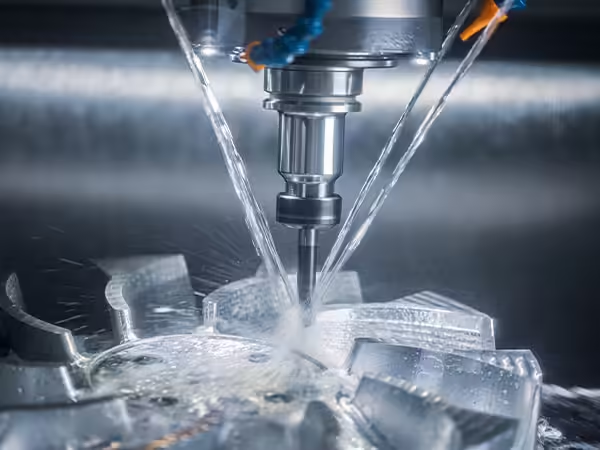
CNC Machining
After casting, critical surfaces need machining:
- Valve flange surfaces
- Stem shafts
- Sealing seats
- Threaded areas
CNC machining ensures tight tolerances, often reaching flatness and perpendicularity within 0.02 mm/m.
Valve Casting Quality Control
Why Quality Control Matters
Casting defects such as pores, cracks, and shrinkage can cause:
- Leakage
- Structural failure
- Reduced pressure resistance
- Shortened service life
In valve manufacturing, quality control is mandatory.
Common Inspection Methods
- X-ray inspection: Detects internal defects
- Ultrasonic testing: Detects internal cracks
- Pressure testing: Simulates real operating conditions
- Dimensional inspection: Ensures precision
Industry experts emphasize that rigorous inspection is essential to prevent failures and reduce after-sales costs.
Comparison: Investment Casting vs Sand Casting
Investment Casting vs Sand Casting in Valve Manufacturing
Here is a direct comparison:
| Casting Method | Accuracy | Surface Finish | Cost | Best For |
|---|---|---|---|---|
| Investment Casting | High | Smooth | Higher | Complex valve bodies, high pressure |
| Sand Casting | Moderate | Rough | Lower | Large, simple valve bodies |
| CNC Machining After Casting | Highest | Smooth | Additional cost | Tight tolerance surfaces |
Concept: Choosing the Right Casting Method
For high-performance valves, investment casting is typically the best choice. For large, low-cost valves, sand casting is more practical.
CNC Machining in Valve Manufacturing
Why CNC Machining Is Needed
Even high-precision casting cannot achieve the tightest tolerances required for:
- Sealing surfaces
- Flange surfaces
- Threaded interfaces
CNC machining ensures accurate dimensions and improves sealing performance.
Concept: Critical Areas for CNC Machining
- Valve flange surfaces
- Stem shafts
- Sealing seats
- Threaded areas
Machining is essential for leak-free assembly and long-term reliability.
Sealing Performance in Valve Manufacturing
Sealing Is the Heart of Valve Manufacturing
The sealing performance determines whether a valve can control fluid flow without leakage. Valve sealing relies on:
- Material selection
- Casting precision
- Machining accuracy
- Assembly quality
Concept: Sealing Seat Integrity
Sealing seats must be smooth and accurate. Investment casting plus CNC machining ensures:
- Tight tolerances
- Low surface roughness
- Stable sealing performance
Performance Requirements in Valve Manufacturing
High Pressure and High Temperature
Valve manufacturing must meet high-pressure and high-temperature performance requirements. Components must resist:
- Thermal expansion
- Mechanical stress
- Fatigue
Corrosion Resistance
Corrosion resistance is essential for chemical and marine environments. Materials such as stainless steel and duplex stainless steel are often chosen.
Cavitation Resistance
Cavitation can cause severe erosion. Material selection and casting quality help reduce this risk.
Common Valve Components Made by Casting
Valve Body
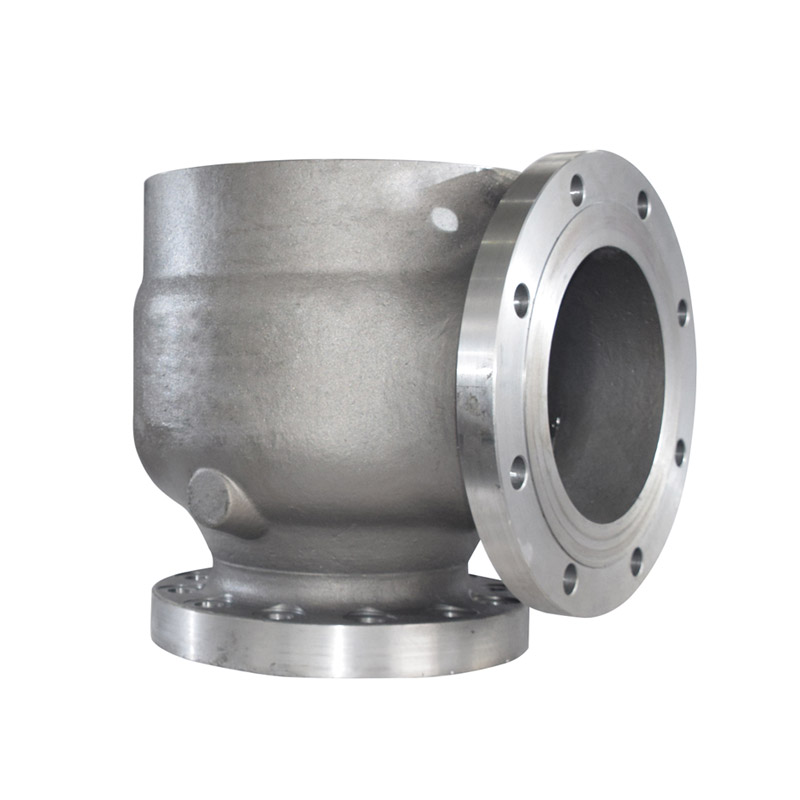
The valve body is the main structure that holds pressure and fluid. Casting must ensure:
- Structural integrity
- Smooth internal flow
- No leakage
Valve Cover
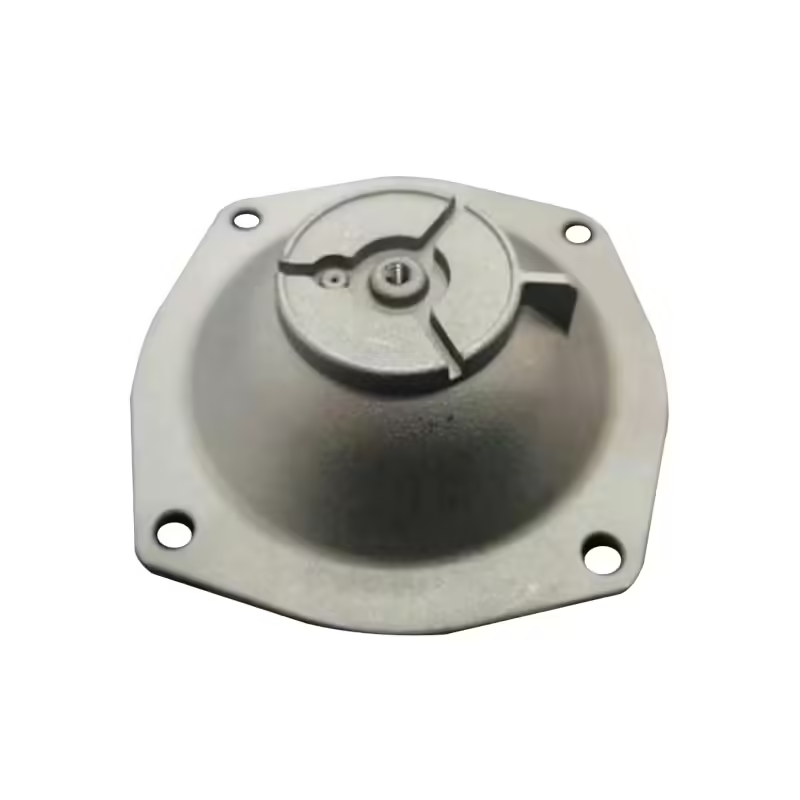
The cover seals the valve body. It must match the body precisely and withstand internal pressure.
Internal Components
Components like the seat, disc, and trim are often cast or machined to meet strict tolerances.
Modern Trends in Valve Manufacturing
Digital Design and Simulation
Modern valve manufacturing uses digital tools:
- 3D CAD modeling
- Flow simulation
- Stress analysis
Simulation helps optimize:
- Material usage
- Strength
- Fluid flow efficiency
- Manufacturing costs
3D Scanning and Reverse Engineering
3D scanning is used to:
- Validate casting accuracy
- Compare casting to design
- Improve quality control
Industry 4.0 and Smart Manufacturing
Smart manufacturing integrates:
- Real-time monitoring
- Data-driven quality control
- Automated production lines
This reduces defects and improves efficiency.
Real-World Data and Industry Benchmarks (Commonly Cited Metrics)
Typical Performance Improvements After Casting Optimization
Industry reports often show that:
- Casting defect rates can be reduced by 20–40% with improved process control
- Machining time can be reduced by 10–25% through better casting accuracy
- Pressure test pass rates can increase by 15–30% when casting quality improves
Efficiency Metrics in Valve Manufacturing
Common efficiency indicators include:
- Yield rate (castings that meet standards)
- Machining time per part
- Pressure test pass rate
- Customer return rate
Expert Insights (Industry-Recognized Principles)
Expert View: Casting Quality Determines Valve Safety
Industry experts agree that casting quality is the primary factor in valve safety. A high-quality casting reduces:
- Leakage risk
- Structural failure
- Maintenance costs
Expert View: Material Selection is the First Decision
Experts emphasize that material selection must consider:
- Corrosion environment
- Temperature range
- Pressure rating
- Service life
Case-Style Examples (Generalized, Non-Company Specific)
Example: High-Pressure Valve Component Casting
In a high-pressure valve system, casting quality determines whether the valve can withstand:
- 600–1500 psi pressure
- High-temperature steam
- Corrosive media
When casting defects are reduced, the valve can maintain long-term performance without leakage.
Example: Marine Valve Component Casting
Marine valves require:
- High chloride corrosion resistance
- Long service life
- Stable sealing
Stainless steel 316/316L and duplex stainless steel are common choices.
The Most Common Valve Manufacturing Challenges
Challenge: Casting Defects
Common defects include:
- Pores
- Cracks
- Shrinkage
- Inclusions
Challenge: Material Selection Errors
Incorrect material selection can lead to:
- Corrosion
- Cracking
- Mechanical failure
Challenge: Machining Inaccuracy
If machining is not accurate, sealing surfaces can leak, leading to failure.
Comparison: Valve Manufacturing Methods by Application
| Application | Recommended Casting Method | Material | Reason |
|---|---|---|---|
| High-pressure valves | Investment casting | Stainless steel | High precision and smooth surfaces |
| Large water valves | Sand casting | Carbon steel | Cost-effective for large parts |
| Corrosive environment | Investment casting | Duplex stainless steel | High corrosion resistance |
| High temperature | Investment casting | 17-4PH / 410 | Heat resistance and strength |
Conclusion
Valve manufacturing is a highly specialized process where casting plays a decisive role. High-quality valve components require the right material, precise casting, accurate machining, and rigorous testing. For industries such as oil and gas, chemical, marine, and power generation, valve reliability is essential for safety and efficiency.
In the end, valve manufacturing is not merely about producing a part. It is about ensuring the safety and stability of entire systems. The better the casting process and quality control, the more reliable the valve will be.
FAQ
What is the most common material for valve manufacturing?
Stainless steel is the most common due to its corrosion resistance and high-temperature performance.
Why is casting important in valve manufacturing?
Casting creates the base structure and determines strength, sealing, and pressure resistance.
What is the difference between investment casting and sand casting?
Investment casting offers higher accuracy and smoother surfaces, while sand casting is cheaper and suitable for large, simple parts.
Can valve castings be customized?
Yes, valve casting is often customized based on customer drawings and specifications.
How long does valve manufacturing take?
Depending on complexity, casting plus machining and testing can take 3–5 weeks for custom components.
What is the most common failure mode in valve manufacturing?
Leakage due to casting defects or machining inaccuracies is the most common failure mode.
Product Categories
- Valve Parts
- Water Pump Parts
- Bearing Box Parts
- Die Casting Parts
- Stainless Steel Pump Products
- Cast Iron Pump Products
- Valve Parts For Automobile Use
- Auto Parts
- Valve Parts For Civil Use
- Vacuum Pump Parts KF

Let’s start your next project!
Start Your Project with Leierwo
1. Submit Your Inquiry
2. Cost Calculation
3. Start Production
4. Arrange Delivery
FAQ
Yes, we have extensive experience in international trade and can assist customers with export customs clearance and shipping arrangements. We offer various trade terms such as FOB, CIF, and DDP to accommodate different logistics needs.We accept various international payment methods, including T/T (Telegraphic Transfer), wire transfer, and Letter of Credit (L/C). Payment terms can be discussed with our sales team.
By partnering with Leierwo, you can enjoy competitive pricing and superior quality compared to other suppliers. Additionally, we offer a one-stop solution to deliver finished parts, including CNC machining and surface treatment, ensuring a seamless production process.
We have advanced casting equipment and strict quality control systems. Our monthly production capacity is substantial, and we can manufacture products based on customer-provided drawings or samples. We accept both small trial orders and large-scale production.
Our products comply with international standards such as ASTM, AISI, DIN, and JIS. We can provide material test reports and relevant certifications to ensure product quality meets customer requirements.
We strictly follow the ISO 9001 quality management system and conduct multiple inspections throughout the production process, including spectrographic analysis, X-ray testing, ultrasonic testing, and dimensional measurements. These quality control measures guarantee that our castings meet the highest standards.
Our MOQ depends on the product type and complexity, However, we are flexible and open to discussing your specific needs.
Our standard production lead time is 4-6 weeks, depending on order quantity and product complexity. We strive to shorten delivery times to meet customer demands.
Yes, we can provide samples for quality inspection. Sample costs and shipping fees can be negotiated, and sample fees may be refunded upon placing a formal order.
 English
  Spanish
  Arabic
  Malay
Malay  German