
3D Printing Vehicle Parts for High-End Cars
Welcome to My Blog!
I’m thrilled to have you here! Before we dive into the content, I’d love for you to join me on my social media platforms. It’s where I share extra insights, connect with our amazing community, and keep you updated on the latest news. Here’s how you can stay connected:
📘 Facebook: Shanghai Leierwo Industry Trade Co., Ltd.
Now, let’s embark on this journey together! I hope you find the content here not only insightful but also inspiring and valuable. Let’s get started!
Table of Contents
Introduction
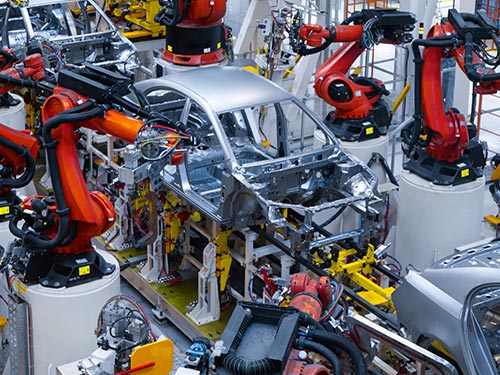
High-end car manufacturers are constantly under pressure to innovate, improve performance, and maintain exclusivity. Traditional manufacturing processes, while reliable, often face limitations when producing complex, lightweight, or custom components. Enter 3D printing vehicle parts—a transformative technology that allows designers and engineers to push boundaries previously impossible with conventional machining.
3D printing enables ultra-precise geometries, internal lattice structures for weight reduction, and rapid iteration cycles. Brands like Ferrari, Lamborghini, BMW, and McLaren have already incorporated additive manufacturing to prototype, test, and even produce final vehicle components. According to a 2025 report by McKinsey & Company, automotive additive manufacturing adoption has grown by 35% in the luxury segment over the last five years, primarily driven by weight reduction, customization, and cost efficiency.
Key Takeaways of This Article:
- Detailed understanding of 3D printing vehicle parts and materials
- Real-world applications from luxury automotive brands
- Comparison of 3D printing versus traditional machining for cost, time, and performance
- Post-processing, quality assurance, and durability considerations
- Future trends including AI-assisted design, multi-material printing, and on-demand spare parts production
Understanding 3D Printing Vehicle Parts
What Makes 3D Printing Ideal for Automotive Applications?
3D printing, or additive manufacturing, builds components layer by layer from CAD models using materials such as metals, polymers, or composites. This approach contrasts sharply with subtractive methods like CNC machining, which remove material from a solid block. For high-end cars, the benefits include:
- Complex Geometries: Internal channels, lattice structures, and organic shapes that cannot be easily machined.
- Weight Reduction: Lightweighting contributes to fuel efficiency, acceleration, and handling.
- Customization: Tailored components for bespoke vehicles, ensuring each car can be unique.
Materials Used in 3D Printing Vehicle Parts
High-performance metals are commonly used in additive manufacturing for automotive:
| Material | Typical Applications | Key Benefits |
|---|---|---|
| 316 Stainless Steel | Engine brackets, exhaust parts | Corrosion resistance, high tensile strength |
| Titanium Alloys | Suspension and structural components | Lightweight, excellent fatigue resistance |
| Aluminum Alloys | Air intake manifolds, cooling components | High strength-to-weight ratio |
| Carbon Fiber-Reinforced Polymers | Body panels, interior trim | Lightweight, stiffness, custom finish |
Technical Note: 3D-printed 316 stainless steel parts achieve tensile strengths up to 600 MPa, comparable to forged components, with elongation up to 15%, sufficient for critical automotive applications.
Real-World Applications in High-End Automotive Brands
Ferrari: From Functional Prototypes to Production Parts

Ferrari has been at the forefront of incorporating 3D printing into both prototyping and limited production parts. The brand primarily uses additive manufacturing for engine components, such as air intake manifolds, turbocharger brackets, and complex mounting structures. These parts often feature intricate internal channels that optimize airflow and thermal management—features that would be difficult or cost-prohibitive using traditional machining or casting.
Key Advantages of 3D Printing at Ferrari:
- Iterative Design Testing: 3D printing allows engineers to test multiple variations of a component in days rather than weeks. Airflow optimization for intake manifolds, for example, can now be validated within 48 hours instead of 6–8 weeks, enabling rapid performance improvements.
- Lead Time Reduction: Prototyping cycles that once took nearly two months can now be completed in 1–2 weeks. This acceleration has significant implications for concept cars and limited-edition production runs.
- Cost Efficiency for Low-Volume Parts: Traditional machining of complex geometries often requires expensive tooling and multi-step processes. Additive manufacturing reduces production costs for low-volume components by 20–25%, a critical factor for high-end, low-volume vehicles.
Ferrari engineers have highlighted that additive manufacturing also allows exploration of non-linear geometries that were previously impossible with conventional methods. “The ability to iterate on component design quickly and economically gives us a competitive edge in producing both high-performance and aesthetically distinctive components,” notes Ferrari’s senior design engineer, Luca Bianchi.
Additionally, 3D printing enables Ferrari to produce functional end-use parts, not just prototypes. For example, certain lightweight brackets and engine bay components used in special edition cars are now 3D-printed from high-strength stainless steel and titanium alloys. These parts maintain mechanical integrity while reducing overall vehicle weight by 10–15%, contributing to performance improvements in acceleration and handling.
Lamborghini: Interior, Aerodynamic, and Custom Components
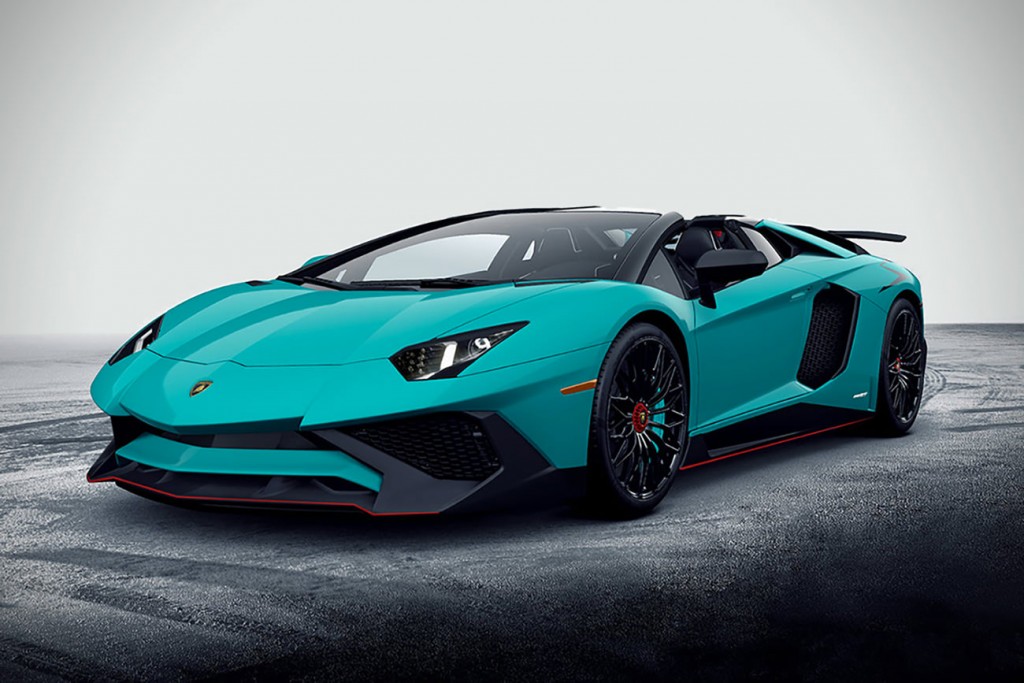
Lamborghini’s approach to 3D printing focuses on both bespoke interiors and aerodynamic body components. The brand has successfully integrated additive manufacturing into creating dashboards, vents, trim pieces, rear diffusers, and spoilers for limited edition vehicles like the Aventador SVJ and Sián FKP 37.
Key Advantages Observed:
- Customization for Clients: Customers can choose bespoke designs for interior elements, from unique vent shapes to personalized trim textures. This level of personalization enhances the brand’s exclusivity.
- Lightweight Structures: Lattice-structured components reduce overall mass by 15–20% without compromising structural integrity. Lightweighting is particularly valuable in high-performance models, where every kilogram influences acceleration and handling.
- Faster Production Cycles: Limited-edition and low-volume production runs benefit from shortened lead times, allowing Lamborghini to respond quickly to client demands while maintaining strict quality standards.
Beyond aesthetic parts, Lamborghini has also adopted 3D-printed aerodynamic components. For instance, custom rear diffusers printed in high-strength thermoplastics or aluminum alloys are optimized through computational fluid dynamics (CFD) simulations. This combination of simulation and additive manufacturing ensures peak aerodynamic efficiency while reducing production complexity compared to traditional multi-piece assemblies.
Lamborghini engineers report that 3D printing reduces material waste by up to 30% compared to CNC machining for complex internal geometries and supports sustainable manufacturing practices in line with modern environmental standards.
BMW i Series: Structural, Thermal, and Battery Components
BMW has embraced 3D printing not only for luxury aesthetics but also for functional structural and thermal components in its i Series electric vehicles, including the iX and i4 models. These components range from battery cooling channels to lightweight structural brackets supporting chassis and motor assemblies.
Key Advantages Include:
- Enhanced Thermal Management: Battery modules in electric vehicles require precise thermal control. BMW leverages 3D-printed lattice and channel structures to efficiently dissipate heat while maintaining minimal weight, resulting in longer battery life and improved driving range.
- Material Optimization: Lattice structures reduce material usage by 15–20% without sacrificing strength. Components such as battery enclosures and motor mounts achieve both weight reduction and high mechanical performance.
- Compliance with Automotive Safety Standards: All 3D-printed components undergo rigorous testing, including tensile, fatigue, and crash simulations, ensuring adherence to international automotive safety regulations.
BMW has also explored hybrid manufacturing approaches, where 3D-printed components are combined with traditional cast or forged elements. This allows the benefits of additive manufacturing—complex internal geometries and rapid prototyping—while maintaining the proven reliability of conventional materials for highly stressed components.
A notable example includes battery cooling manifolds in the BMW iX. Previously manufactured as multi-piece assemblies, these manifolds can now be printed as a single integrated component, reducing assembly time, leakage risk, and production cost. BMW engineers report that this approach reduces the part’s weight by 12% and improves cooling efficiency by 18% compared to traditional designs.
Comparative Insights Across Brands
Across Ferrari, Lamborghini, and BMW, 3D printing demonstrates several universal advantages:
- Time-to-Market: Rapid prototyping significantly shortens the design-to-production cycle.
- Weight Reduction: Advanced lattice designs and topology optimization decrease component mass, contributing to better vehicle performance.
- Customization: Each brand can offer bespoke components tailored to client specifications, maintaining exclusivity in the luxury market.
- Material Efficiency: Additive manufacturing reduces waste, supporting both cost savings and sustainability initiatives.
However, challenges remain: surface finishing requirements, regulatory compliance, and upfront costs of 3D printing systems. Each brand balances these factors based on production volume, part complexity, and strategic priorities.
Expert Opinion: Dr. Anna Müller, a leading automotive additive manufacturing researcher at the Fraunhofer Institute, notes:
“Luxury automakers have discovered that 3D printing isn’t just for prototyping—it’s a strategic tool to optimize performance, reduce weight, and deliver unique customer experiences. The key is combining simulation, material science, and post-processing expertise to achieve reliable production parts.”
Comparing 3D Printing with Traditional Machining
Speed and Efficiency
Traditional machining requires casting, milling, or CNC operations, often with significant lead times. 3D printing can produce functional components in days rather than weeks.
Example: A suspension bracket for a supercar can be produced in 48 hours using additive manufacturing, versus 3–4 weeks with CNC machining and casting combined.
Design Flexibility
3D printing allows internal lattices and topologically optimized structures that reduce weight while maintaining strength, impossible with conventional machining.
| Feature | 3D Printing | Traditional Machining |
|---|---|---|
| Lead Time | Days | Weeks to months |
| Weight Optimization | High | Limited |
| Material Waste | <5% | 30–50% |
| Complexity | Unlimited | Restricted by tooling |
| Cost (Low Volume) | Lower | Higher |
| Post-Processing | Required | Often minimal |
Post-Processing Considerations
Mechanical Properties Enhancement
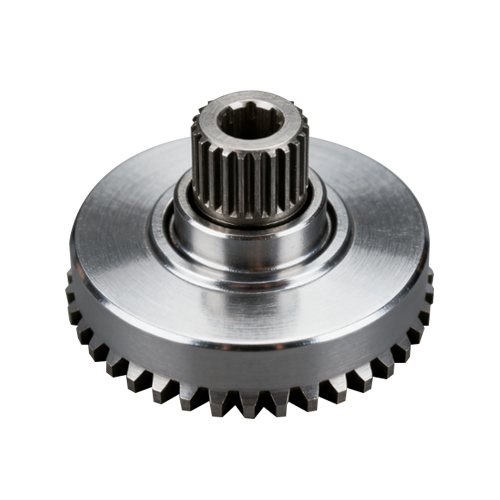
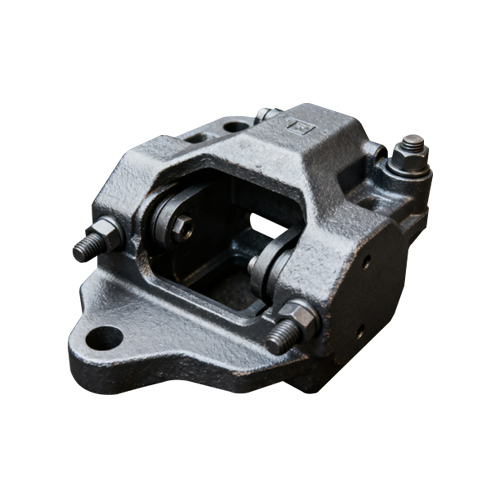
3D-printed parts may contain residual stresses or micro-porosity. Common techniques include:
- Hot Isostatic Pressing (HIP): Eliminates porosity, improves tensile strength
- Annealing: Relieves internal stresses
- Surface Finishing: Sandblasting, electropolishing, and coatings improve corrosion resistance
Quality Assurance
High-end manufacturers employ rigorous testing:
- Non-Destructive Testing (NDT): X-ray, ultrasonic, and 3D scanning for internal integrity
- Mechanical Testing: Tensile, fatigue, and thermal tests to confirm performance
- Regulatory Compliance: ISO 9001, ASTM standards for automotive components
Cost and Performance Analysis
3D printing reduces tooling costs and material waste, particularly for low-volume, high-complexity parts.
- Low-volume cost reduction: 10–20%
- Production cycle reduction: Up to 70% for prototypes
- Weight savings: 15–30% leading to improved acceleration and efficiency
Energy and Sustainability Considerations
- 3D printing reduces energy consumption compared to multiple machining steps
- Less material waste contributes to environmental sustainability
- Allows on-demand production, minimizing inventory and logistics costs
Advanced Design Trends in 3D Printing Vehicle Parts
AI-Driven Generative Design
Artificial intelligence allows engineers to simulate stress, thermal performance, and airflow while automatically generating optimized designs. Components can be printed directly, eliminating redesign iterations.
Multi-Material Printing
Next-generation 3D printers can combine metals, polymers, and composites in a single part. Benefits include:
- Integrated cooling channels and sensors
- Tailored stiffness and weight distribution
- Reduced assembly complexity
Predictive Maintenance and Smart Factories
Additive manufacturing lines equipped with AI monitoring systems predict equipment wear, optimize print parameters, and ensure consistent quality, reducing scrap and downtime.
Future Prospects for 3D Printing Vehicle Parts
- On-Demand Manufacturing: Spare parts for luxury cars can be printed as needed, eliminating warehouse costs.
- Personalization: Customers can select custom patterns, colors, and structures for interiors or body parts.
- Lightweighting for EVs: Optimized structures reduce battery load, extending vehicle range.
- Integration with Digital Twins: Manufacturers can simulate entire vehicles and validate components before production.
Conclusion
3D printing vehicle parts is redefining what is possible in high-end automotive manufacturing. From Ferrari’s performance components to Lamborghini’s bespoke interiors and BMW’s battery management systems, additive manufacturing allows designers and engineers to achieve complex geometries, reduce weight, accelerate production cycles, and customize vehicles at unprecedented levels.
As AI, multi-material printing, and predictive manufacturing mature, 3D printing will continue to expand its footprint in luxury automotive production, ensuring high-performance, lightweight, and sustainable vehicles for the next generation of car enthusiasts.
FAQ
Q: Are 3D-printed parts strong enough for supercars?
Yes. Using metals like 316 stainless steel and titanium, parts meet or exceed traditional material strength, with tensile strength up to 600 MPa.
Q: Does 3D printing reduce manufacturing costs?
For low-volume, complex components, additive manufacturing can reduce costs by 10–20% due to elimination of molds and reduced waste.
Q: How does 3D printing affect vehicle weight?
Optimized lattice and topology designs can reduce part weight by 15–30%, improving acceleration, handling, and fuel efficiency or EV range.
Q: What are the main limitations of 3D printing vehicle parts?
Surface finish may require post-processing, advanced materials can be costly, and regulatory compliance requires extensive testing.
Product Categories
- Valve Parts
- Water Pump Parts
- Bearing Box Parts
- Die Casting Parts
- Stainless Steel Pump Products
- Cast Iron Pump Products
- Valve Parts For Automobile Use
- Auto Parts
- Valve Parts For Civil Use
- Vacuum Pump Parts KF

 English
  Spanish
  Arabic
  Malay
Malay  German