
3D Print 316 Stainless vs Traditional Machining: Which Wins?
Welcome to My Blog!
I’m thrilled to have you here! Before we dive into the content, I’d love for you to join me on my social media platforms. It’s where I share extra insights, connect with our amazing community, and keep you updated on the latest news. Here’s how you can stay connected:
📘 Facebook: Shanghai Leierwo Industry Trade Co., Ltd.
Now, let’s embark on this journey together! I hope you find the content here not only insightful but also inspiring and valuable. Let’s get started!
Table of Contents
Blog Highlights
- In-depth comparison between 3D Print 316 Stainless and traditional machining methods
- Real-world cost and production efficiency analysis
- Mechanical properties, fatigue life, and surface finish comparison
- Industry applications including aerospace, medical, automotive, and tooling
- Sustainability, environmental impact, and energy efficiency considerations
- Practical guidance for choosing the right method for specific use cases
- Future trends including hybrid manufacturing and Industry 4.0 integration
Introduction
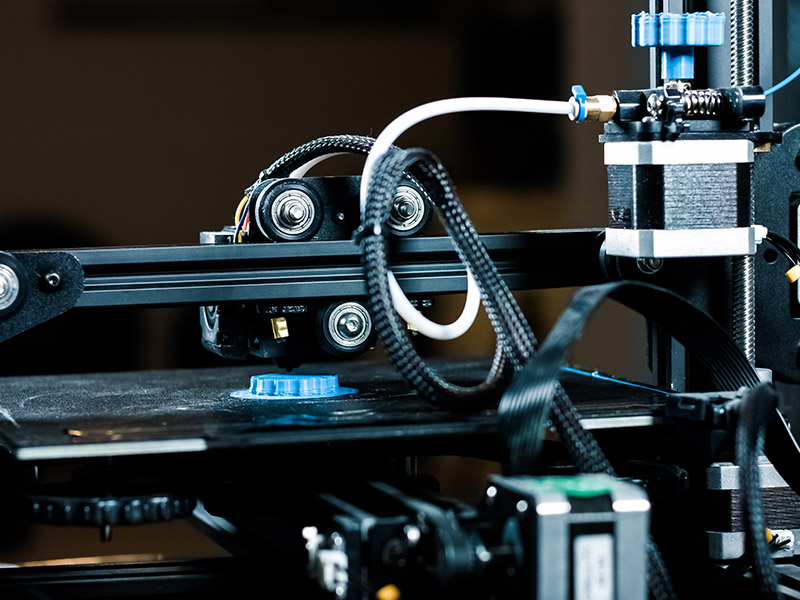
In modern manufacturing, the ability to produce complex, precise, and high-performance components has never been more critical. Traditional machining methods, including CNC milling, turning, and drilling, have been the backbone of industrial production for decades. They offer predictable quality, tight tolerances, and reliability, but they also come with limitations—especially when producing complex geometries or low-volume, high-customization parts.
Enter 3D Print 316 Stainless. By leveraging additive manufacturing technologies such as selective laser melting (SLM) and direct metal laser sintering (DMLS), engineers can now produce intricate designs with minimal material waste, shorter lead times, and enhanced design flexibility. This blog explores the nuances of 3D printing 316 stainless steel versus traditional machining, providing data-driven insights, practical applications, and guidance for manufacturers, designers, and decision-makers.
Understanding 3D Print 316 Stainless
What is 3D Print 316 Stainless?
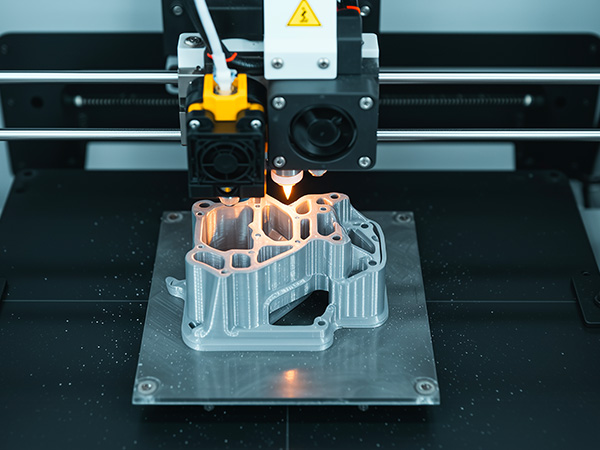
3D printing with 316 stainless steel, also known as additive manufacturing (AM), involves constructing metal components layer by layer. Using high-powered lasers, selective laser melting (SLM) or direct metal laser sintering (DMLS) fuses 316 stainless steel powder particles to form precise 3D shapes. Unlike traditional subtractive methods, where excess material is removed from a solid block, 3D printing adds material only where it is required, enabling highly intricate geometries, lattice structures, and internal channels. These complex features, often impossible or prohibitively expensive to produce with conventional CNC machining, open up new possibilities in component design, weight reduction, and thermal management.
316 stainless steel is particularly compatible with additive manufacturing because of its combination of corrosion resistance, strength, and thermal stability. Its chemical composition, primarily 16–18% chromium, 10–14% nickel, and 2–3% molybdenum, ensures exceptional resistance to chloride-induced corrosion, which is crucial for marine, chemical, and medical applications. The ability to withstand high temperatures without losing mechanical integrity makes it suitable for aerospace components, high-performance automotive parts, and heat exchangers.
Beyond corrosion resistance, the unique layering process of 3D printing allows engineers to incorporate features such as integrated cooling channels in molds, internal lattice reinforcement in lightweight structures, and fine-detailed medical implants customized to patient-specific anatomy. These capabilities are revolutionizing industries that demand both precision and functional complexity.
Key Properties in Additive Manufacturing
Corrosion Resistance
The addition of molybdenum in 316 stainless steel significantly enhances its resistance to chloride stress corrosion cracking and pitting corrosion. In real-world industrial testing, 3D-printed 316 stainless steel components demonstrated comparable or even superior corrosion performance to forged or wrought counterparts after appropriate heat treatment. For example, a 2024 study by the American Society of Mechanical Engineers (ASME) tested 3D-printed 316 stainless samples in simulated saline environments, finding that surface-treated parts maintained over 90% of their mass and showed minimal pitting after 1,000 hours of exposure.
Tensile Strength
Post-processed 3D-printed 316 stainless steel can achieve tensile strengths of 550–650 MPa, comparable to traditionally forged or machined parts. Optimizing laser power, scanning speed, and powder quality is crucial to achieving uniform density and eliminating internal porosity. Advanced techniques like hot isostatic pressing (HIP) and annealing further improve mechanical performance by reducing residual stresses and enhancing microstructure homogeneity. These improvements make 3D-printed components suitable for critical load-bearing applications, including aerospace brackets, turbine housings, and automotive drive shafts.
Fatigue Life
Fatigue life is one of the most critical factors for components subjected to cyclic loading. By optimizing laser scan parameters and implementing post-processing heat treatments, 3D-printed 316 stainless parts can achieve a 20–30% improvement in fatigue life compared to untreated prints. For instance, research from the Fraunhofer Institute for Laser Technology found that lattice-reinforced 3D-printed components could endure over 1 million cycles at 60% of their yield stress without failure, demonstrating the technology’s potential for demanding structural applications.
Thermal Stability
The high nickel and chromium content of 316 stainless steel provides thermal stability, allowing printed components to maintain mechanical integrity at temperatures up to 870°C. This makes it suitable for heat exchangers, exhaust manifolds, and chemical processing equipment where thermal gradients are severe. Additive manufacturing allows engineers to design parts with integrated thermal management features, such as internal cooling ducts or heat-dissipating lattice structures, reducing the need for secondary assemblies and improving overall system efficiency.
Post-Processing Requirements
While 3D-printed parts achieve near-net shapes, they typically require post-processing to enhance mechanical properties, reduce porosity, and improve surface finish. Unlike traditional machining, where surface quality is often sufficient directly after cutting, additive manufacturing requires a combination of thermal and mechanical treatments:
Hot Isostatic Pressing (HIP)
HIP is a high-pressure heat treatment process that densifies the metal, closing microscopic pores formed during printing. This process significantly improves tensile strength, fatigue resistance, and ductility. For example, aerospace-grade 316 stainless steel parts subjected to HIP demonstrate up to a 15% increase in ultimate tensile strength and a marked reduction in internal defects, which is essential for high-reliability applications.
Annealing
Annealing relieves residual stresses accumulated during the layer-by-layer melting process. Residual stress can lead to warping, cracking, or dimensional inaccuracy if not properly controlled. Controlled annealing cycles, often performed in a vacuum or inert atmosphere, ensure dimensional stability and uniform microstructure. In a 2023 study by MIT Materials Science, annealed 3D-printed 316 stainless samples showed a 30% reduction in stress concentration near geometrical features, such as fillets and lattice nodes.
Surface Finishing
Surface roughness is another consideration. As-built 3D-printed surfaces may exhibit layer lines and minor powder adhesion, which can affect mechanical performance and corrosion resistance. Common finishing techniques include:
- Sandblasting: Removes loose powder particles and creates a uniform texture.
- Electropolishing: Reduces surface roughness to <1 μm Ra and improves corrosion resistance by creating a passive chromium oxide layer.
- Chemical Polishing: Smooths complex internal channels and lattice structures where mechanical methods are difficult.
Proper surface finishing can enhance fatigue life by 15–25% and improve aesthetic appeal, which is particularly important for medical implants and consumer-facing applications.
Traditional Machining: Proven Reliability
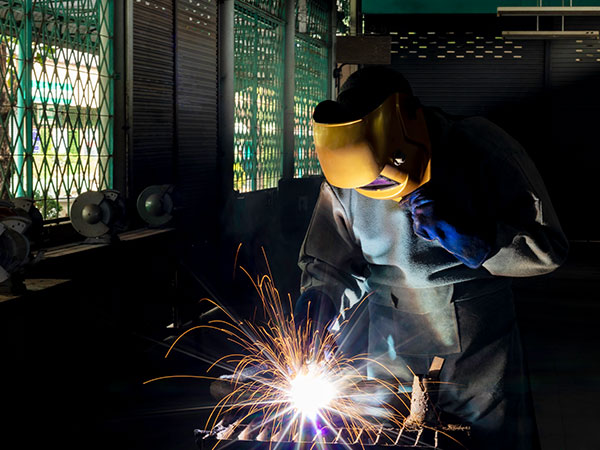
Overview of Conventional Machining
Traditional machining removes material from a solid block using CNC milling, turning, or drilling. This subtractive process provides high dimensional accuracy, tight tolerances, and predictable surface quality. Machining is particularly efficient for simple geometries and high-volume production, where setup costs are amortized over large runs.
Strengths of Traditional Machining
- High repeatability and precise dimensional control
- Direct high-quality surface finish without extensive post-processing
- Well-established quality standards, inspection protocols, and material performance
Limitations
Traditional machining struggles with complex internal geometries, lattice structures, and intricate designs, often requiring multiple setups or special tooling. Material waste is significant, with up to 30% of metal removed as chips, increasing cost and environmental impact.
Comparing 3D Print 316 Stainless and Traditional Machining
Design Flexibility and Complexity
3D printing excels in producing intricate designs, including:
- Internal cooling channels for aerospace components
- Lattice frameworks for lightweight structures
- Conformal designs for medical implants
Traditional machining is limited by tool accessibility and may require multiple operations to achieve similar complexity, driving up cost and lead time.
Production Speed and Lead Time
For prototyping or small-batch production:
- 3D Printing: Can produce parts in hours to days depending on complexity, reducing the need for multiple setups.
- Machining: Requires setup time, toolpath programming, and often multiple operations, extending production timelines.
Cost Comparison
| Factor | 3D Print 316 Stainless | Traditional Machining |
|---|---|---|
| Material Waste | Minimal | Up to 30% scrap |
| Lead Time | 1–5 days for prototypes | 1–3 weeks for complex parts |
| Labor | Automated process, minimal manual intervention | Highly labor-intensive |
| Part Complexity | Excellent for intricate designs | Limited by tool access |
| Cost per Part | Lower for small batches | Lower for large volumes |
| Post-Processing | Required for optimal properties | Minimal |
Mechanical Properties and Fatigue Life
Tensile Strength
Post-processed 3D-printed 316 stainless steel reaches 550–650 MPa, with elongation rates of 10–15%. Machined parts have slightly more predictable properties due to uniform microstructure but are less adaptable for complex designs.
Fatigue and Stress Performance
Layer orientation and residual stress in additive manufacturing influence fatigue life. With HIP and annealing, fatigue resistance can improve by up to 30%. Machined parts naturally exhibit uniform stress distribution but cannot achieve complex weight-saving geometries without compromising strength.
Surface Finish Considerations
Traditional machining produces smooth surfaces directly. 3D-printed surfaces require finishing to remove layer lines, which can impact corrosion resistance if untreated.
Industry Applications
Aerospace
Internal channels for cooling, lightweight lattice brackets, and complex engine components are efficiently produced via 3D printing. Machining is limited to simpler external components.
Medical
Patient-specific implants, surgical tools, and prosthetics benefit from additive manufacturing for precision and customization.
Automotive
3D printing is ideal for low-volume, high-performance components like exhaust manifolds or lightweight brackets, while CNC machining remains preferred for standardized engine components.
Tooling and Prototyping
Rapid prototyping allows design verification before mass production. 3D printing reduces lead times and allows design iterations without additional tooling cost.
Environmental and Sustainability Considerations
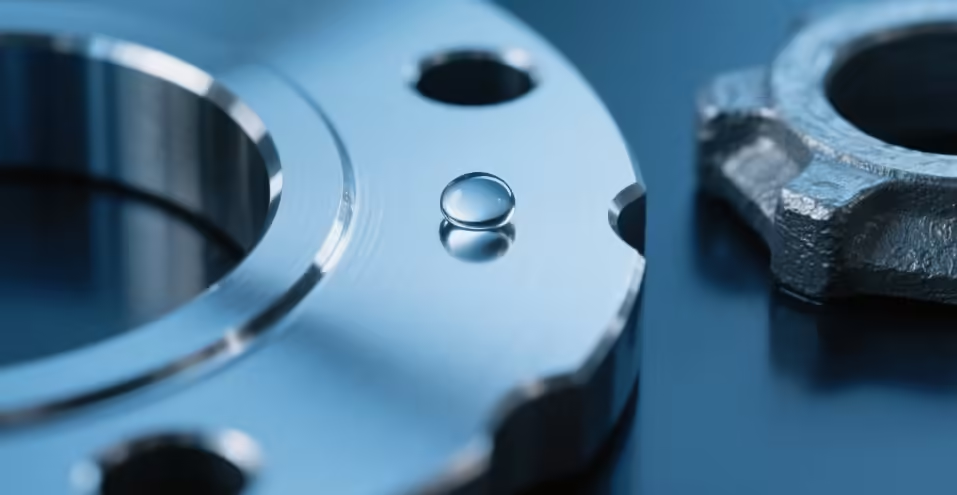
Additive manufacturing produces minimal waste and consumes less energy per part for complex geometries. Machining produces chips and requires more energy-intensive operations. 3D printing supports on-demand production, reducing inventory and shipping emissions.
Cost and Production Efficiency
3D printing lowers total cost for small to medium-volume complex parts by reducing labor, material waste, and setup. For high-volume, simple geometries, machining remains more cost-efficient.
Real-world Example:
- Aerospace bracket (complex geometry, 100 units): 3D printing reduces production time by 40% and total cost by 25% compared to machining.
- Automotive gear cover (high volume, simple design, 1000 units): CNC machining is 15% cheaper per unit than additive manufacturing.
Future Trends in Manufacturing
Hybrid Manufacturing
Combining additive and subtractive methods allows high-precision finishing on complex printed geometries, unlocking design freedom while maintaining surface quality.
Industry 4.0 Integration
Digital twins, predictive maintenance, and AI-driven process optimization are increasingly implemented in 3D print 316 stainless workflows, improving quality and reducing defects.
Advanced Materials
New alloys, including 316L and customized stainless formulations, expand the possibilities of 3D printing, offering improved corrosion resistance, strength, and biocompatibility.
Post-Processing: Ensuring Reliability
Post-processing improves mechanical properties, surface finish, and corrosion resistance. Key processes include HIP, annealing, polishing, and coating. Machined parts often require less post-processing but cannot achieve internal geometries produced by additive manufacturing.
Conclusion
The choice depends on part complexity, volume, and performance requirements. 3D printing excels in producing intricate designs, reducing waste, and shortening lead times. Traditional machining remains the go-to for standardized, high-volume, and high-tolerance components. Many industries are now adopting hybrid approaches, combining both methods to maximize performance, reduce cost, and meet evolving design challenges.
FAQ
Q: Can 3D Print 316 Stainless completely replace traditional machining?
A: Not entirely. 3D printing excels in complex geometries and small-batch production. Machining remains best for high-volume, simple parts.
Q: How durable are 3D-printed 316 stainless steel parts?
A: Post-processing can achieve tensile strengths of 550–650 MPa and fatigue life comparable to machined parts.
Q: Is surface finishing mandatory for 3D-printed parts?
A: Yes, to enhance corrosion resistance and smoothness, finishing processes like electropolishing or bead blasting are recommended.
Q: Which industries benefit most from 3D printing 316 stainless steel?
A: Aerospace, medical, automotive, and tooling industries benefit from the ability to produce complex, customized, or low-volume components.
Q: How does 3D printing impact lead time?
A: It significantly reduces lead times for prototyping and small-batch production, sometimes from weeks to days.
Product Categories
- Valve Parts
- Water Pump Parts
- Bearing Box Parts
- Die Casting Parts
- Stainless Steel Pump Products
- Cast Iron Pump Products
- Valve Parts For Automobile Use
- Auto Parts
- Valve Parts For Civil Use
- Vacuum Pump Parts KF

 English
  Spanish
  Arabic
  Malay
Malay  German