
10 Proven Techniques for Automotive Castings
Welcome to My Blog!
I’m thrilled to have you here! Before we dive into the content, I’d love for you to join me on my social media platforms. It’s where I share extra insights, connect with our amazing community, and keep you updated on the latest news. Here’s how you can stay connected:
📘 Facebook: Shanghai Leierwo Industry Trade Co., Ltd.
Now, let’s embark on this journey together! I hope you find the content here not only insightful but also inspiring and valuable. Let’s get started!
Table of Contents
Introduction
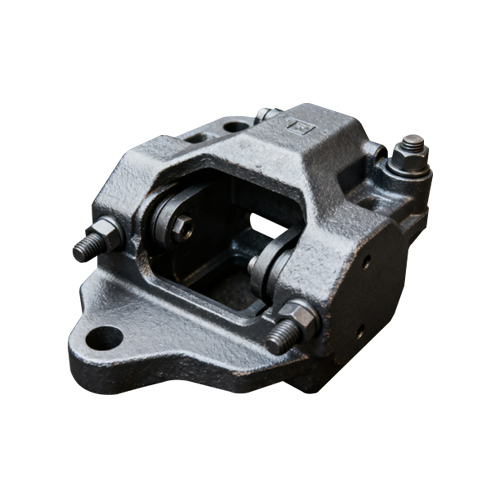
Automotive castings form the backbone of modern vehicle manufacturing, providing durable, lightweight, and high-performance components. From engine blocks and transmission housings to suspension arms and brake calipers, automotive castings are essential in achieving both strength and precision in vehicles. The demand for efficient and innovative casting techniques has grown as manufacturers strive to reduce weight, improve fuel efficiency, and maintain structural integrity.
The production of automotive castings requires meticulous planning, careful material selection, and advanced manufacturing processes. Engineers must consider factors such as alloy composition, thermal expansion, surface finish, and dimensional accuracy. In addition, casting processes must meet strict quality standards to ensure that components can withstand mechanical stress, vibration, and thermal cycles throughout the vehicle’s lifespan.
This article explores 10 proven techniques for automotive castings that help manufacturers enhance performance, reduce defects, and optimize production efficiency. Each method focuses on solving common challenges, extending component life, and ensuring precision in mass production.
Technique One: Advanced Material Selection for Automotive Castings
Importance of Material Choice
Selecting the right material is a critical first step in automotive castings. Materials must balance strength, weight, corrosion resistance, and cost. Common alloys include aluminum, cast iron, magnesium, and high-strength steel. Aluminum alloys are particularly favored for lightweight applications, while cast iron remains essential for engine components requiring high wear resistance.
Material choice affects not only mechanical properties but also manufacturability. Some alloys have higher fluidity and fill more complex molds, while others require higher temperatures and specialized handling. Understanding the thermal and mechanical behavior of materials ensures high-quality automotive castings with minimal defects.
Testing and Verification
Before full-scale production, material samples undergo testing for tensile strength, hardness, and thermal performance. Advanced techniques like X-ray diffraction and metallography are used to detect internal porosity or microstructural flaws that could compromise casting integrity. This step ensures that automotive castings meet rigorous safety and performance standards.
Technique Two: Precision Mold Design for Automotive Castings
Optimizing Mold Geometry
The mold design process directly affects the quality of automotive castings. Precision molds ensure uniform cooling, proper metal flow, and minimal shrinkage. Computer-aided design (CAD) and simulation software help engineers optimize mold geometry, gating systems, and riser placement.
A well-designed mold reduces defects such as cold shuts, porosity, and warping. Modern mold materials and coatings improve durability and enable high-volume production without frequent replacements, contributing to cost efficiency.
Incorporating Innovative Mold Features
Features like chills, cores, and vacuum-assisted molds enhance control over metal solidification. Chills absorb heat in critical areas, reducing shrinkage defects. Cores allow complex internal geometries, while vacuum assistance improves surface finish and reduces gas entrapment. By combining these techniques, automotive castings achieve both precision and structural reliability.
Technique Three: Controlled Solidification and Heat Treatment
Managing Cooling Rates
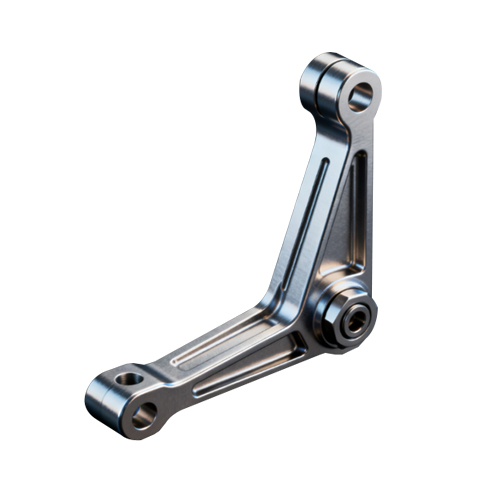
Controlled solidification is a crucial factor in automotive castings. Uneven cooling can cause internal stresses, cracks, or dimensional distortion. Techniques such as directional solidification, gradient cooling, and preheated molds help maintain uniform temperature distribution during the casting process.
Heat Treatment Processes
Post-casting heat treatment enhances mechanical properties, including strength, hardness, and ductility. Common treatments include annealing, quenching, and tempering. For aluminum automotive castings, solution heat treatment followed by aging increases yield strength and fatigue resistance. Heat treatment ensures that castings perform reliably under high-stress automotive conditions.
Technique Four: Surface Finish and Machining Optimization for Automotive Castings
Improving Surface Quality
High-quality surface finish is vital for automotive castings used in engines, transmissions, and hydraulic systems. Smooth surfaces reduce friction, enhance fatigue resistance, and improve aesthetic appeal. Techniques like sandblasting, shot peening, and chemical etching are commonly employed to refine the casting surface.
Machining Considerations
Post-casting machining ensures dimensional accuracy and precision. CNC machining, milling, and grinding are used to achieve tight tolerances, especially for mating surfaces or threaded features. Optimized machining strategies reduce material waste, improve cycle time, and extend the life of the casting die.
Mid-Section Table – Common Automotive Castings Techniques
| Technique | Purpose | Benefits | Considerations |
|---|---|---|---|
| Material Selection | Choosing optimal alloy | Improved strength-to-weight ratio, corrosion resistance | Cost, availability, manufacturability |
| Precision Mold Design | Optimized mold geometry | Reduced defects, high repeatability | Mold complexity, initial design cost |
| Controlled Solidification | Manage cooling rates | Minimized internal stress, cracks | Requires thermal monitoring, mold preheating |
| Heat Treatment | Enhance mechanical properties | Increased strength, fatigue resistance | Energy consumption, process timing |
| Surface Finish | Smooth surfaces | Reduced friction, aesthetic appeal | Additional processing steps |
| Machining Optimization | Dimensional accuracy | Tight tolerances, consistent fit | Tool wear, cycle time |
| Gating and Risers | Proper metal flow | Fewer porosity defects | Mold complexity, metal volume |
| Vacuum-Assisted Casting | Gas removal | Reduced porosity, improved surface finish | Equipment cost, setup complexity |
| Protective Coatings | Corrosion prevention | Extended lifespan | Coating selection, adhesion quality |
| Inspection & Testing | Quality assurance | Early defect detection, compliance | Additional time, testing cost |
Technique Five: Advanced Casting Techniques and Automation
Investment Casting
Investment casting allows complex geometries and high dimensional accuracy. It is particularly useful for lightweight automotive components with intricate features. The process reduces material waste and improves surface finish, making it ideal for high-performance applications.
Die Casting and Automation
Die casting, often combined with automation, provides high-volume production with consistent quality. Robotic handling, automated gating, and integrated quality inspection systems enhance efficiency, reduce human error, and ensure repeatable precision in automotive castings.
Technique Six: Environmental Protection for Automotive Castings
Automotive castings are vulnerable to contaminants such as dust, metal shavings, and liquid exposure. These particles can lodge in critical surfaces, increasing friction, reducing precision, and accelerating wear. Protective measures, such as bellows, covers, or seals, help shield the components from environmental hazards. Maintaining a clean workspace, performing regular inspections, and applying appropriate coatings or lubricants ensures consistent performance and extends the lifespan of automotive castings.
Technique Seven: Monitoring and Predictive Maintenance
Advanced techniques for maximizing automotive castings lifespan involve the use of sensors to monitor vibration, temperature, and torque. Early detection of anomalies allows operators to intervene before serious damage occurs. Predictive maintenance schedules lubrication, cleaning, and component replacement based on real-time performance data rather than fixed intervals. By analyzing trends in vibration, heat, or load, engineers can anticipate wear and prevent costly downtime, ensuring continuous, reliable operation.
Technique Eight: Gating and Risers Optimization for Automotive Castings
Importance of Proper Gating Design
Gating and risers play a critical role in controlling the flow of molten metal into the mold during automotive castings. Poor gating design can lead to turbulence, air entrapment, and uneven filling, which increases the likelihood of defects such as porosity, cold shuts, or misruns. Engineers optimize gating systems to ensure smooth, laminar metal flow, minimizing turbulence and allowing proper venting of gases.
For example, in aluminum engine block castings, gating systems are often designed using simulation software to model molten metal flow. These simulations help identify areas prone to turbulence or premature solidification, allowing adjustments to runner sizes, gate locations, and riser placements.
Benefits of Optimized Risers
Risers act as reservoirs of molten metal, compensating for shrinkage during solidification. Properly designed risers prevent voids and ensure dimensional stability in automotive castings. Placement of risers is critical: they must be located in thicker sections of the casting to feed the solidifying metal efficiently without creating excessive scrap. By combining optimized gating and risers, manufacturers achieve higher-quality components with fewer defects and less material waste.
Practical Considerations
Optimization requires balancing mold complexity, metal volume, and production efficiency. Advanced simulation tools, such as finite element analysis (FEA) for thermal modeling, allow engineers to design gating and riser systems that reduce defects while maintaining cycle time efficiency. Regular monitoring of casting outcomes ensures the system continues to deliver high-quality automotive castings during large-scale production.
Technique Nine: Protective Coatings and Surface Treatments for Automotive Castings
Role of Protective Coatings
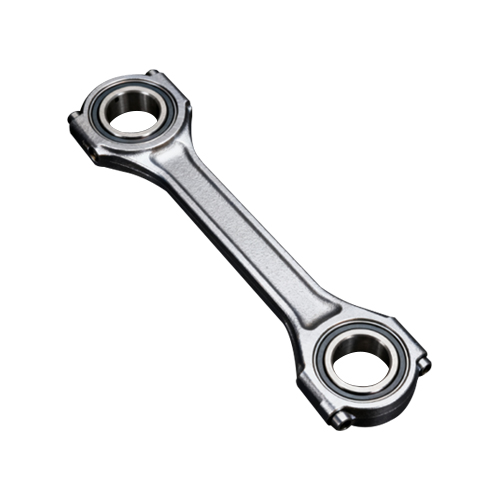
Protective coatings extend the life and durability of automotive castings by preventing corrosion, oxidation, and wear. Castings used in engines, suspension systems, and braking components are exposed to harsh conditions, including heat, moisture, and chemicals. Applying coatings such as epoxy primers, zinc layers, or ceramic-based paints protects the component and enhances longevity.
For example, iron-based castings used in brake calipers often undergo phosphate treatment followed by powder coating. This combination prevents rust formation and ensures the surface remains smooth for proper mechanical operation.
Surface Treatments for Enhanced Performance
Beyond protective coatings, surface treatments such as shot peening, anodizing, or polishing improve fatigue strength and wear resistance. Shot peening introduces compressive stresses on the surface, reducing the likelihood of crack initiation under cyclic loads. Anodizing aluminum automotive castings provides a hard, wear-resistant layer while maintaining corrosion protection.
Implementation in Production
Incorporating coatings and surface treatments into the production workflow requires attention to environmental and process factors. Surface preparation, such as degreasing and cleaning, is essential for proper adhesion. Automated spray systems, controlled ovens, and precise curing times ensure consistent results, allowing high-volume production of durable automotive castings.
Technique Ten: Inspection, Testing, and Predictive Maintenance for Automotive Castings
Importance of Inspection
Rigorous inspection and testing ensure that automotive castings meet mechanical, dimensional, and safety standards. Techniques include visual inspection, dimensional measurement, and non-destructive testing (NDT) methods such as X-ray, ultrasonic testing, and dye penetrant analysis. These methods detect internal defects like porosity, cracks, or inclusions before the castings reach assembly lines.
For high-performance components, such as cylinder heads or suspension arms, even minor defects can lead to catastrophic failure. Therefore, inspection is an essential step in safeguarding product quality and operational reliability.
Predictive Maintenance Strategies
Predictive maintenance extends beyond inspection. By monitoring operational conditions and analyzing historical performance data, manufacturers can anticipate wear or failure in molds, dies, or production equipment affecting automotive castings. Sensor-based monitoring of temperature, vibration, and load helps detect anomalies early, enabling proactive maintenance before defects occur.
For example, continuous monitoring of a die casting machine can indicate subtle changes in pressure or temperature that may lead to uneven fill or surface defects. Early intervention reduces scrap, prevents downtime, and ensures consistent high-quality production.
Integration into Production Workflow
Predictive maintenance is most effective when integrated with production planning. Data-driven decision-making allows engineers to schedule maintenance during planned downtime, reducing disruption to automotive castings manufacturing. Combining NDT inspections, real-time monitoring, and preventive strategies maximizes efficiency, product reliability, and operational lifespan.
Conclusion
Implementing these 10 proven techniques ensures that automotive castings meet the growing demands of modern vehicle manufacturing. From material selection, precision mold design, controlled solidification, and heat treatment to surface finish, protective coatings, environmental protection, and automation, each step contributes to higher quality, reliability, and performance.
By combining gating and riser optimization, advanced surface treatments, and predictive maintenance strategies, manufacturers can produce defect-free, durable, and high-precision automotive castings consistently. These methods reduce production costs, enhance efficiency, and support sustainability by minimizing material waste and energy consumption. Automotive castings manufactured using these techniques will continue to serve as strong, reliable, and high-performance components in vehicles for years to come.
FAQ
What are the most common defects in automotive castings?
Common defects include porosity, shrinkage, cold shuts, and cracks. Proper mold design, controlled solidification, gating optimization, and heat treatment help prevent these issues.
How do I choose the best material for automotive castings?
Consider factors such as strength-to-weight ratio, corrosion resistance, thermal stability, and manufacturability. Aluminum, cast iron, and magnesium alloys are widely used.
Can automation improve automotive casting quality?
Yes, automation reduces human error, ensures consistent metal flow, and enables precise handling during molding, cooling, and post-processing operations.
How often should automotive castings be inspected?
Inspection frequency depends on production volume and component criticality. Non-destructive testing (NDT) and sample-based inspection are standard practices.
Are protective coatings necessary for all automotive castings?
While not every component requires coatings, critical parts exposed to corrosion, heat, or wear benefit significantly from protective surface treatments. Coatings enhance longevity and reliability.
Product Categories
- Valve Parts
- Water Pump Parts
- Bearing Box Parts
- Die Casting Parts
- Stainless Steel Pump Products
- Cast Iron Pump Products
- Valve Parts For Automobile Use
- Auto Parts
- Valve Parts For Civil Use
- Vacuum Pump Parts KF

 English
  Spanish
  Arabic
  Malay
Malay  German